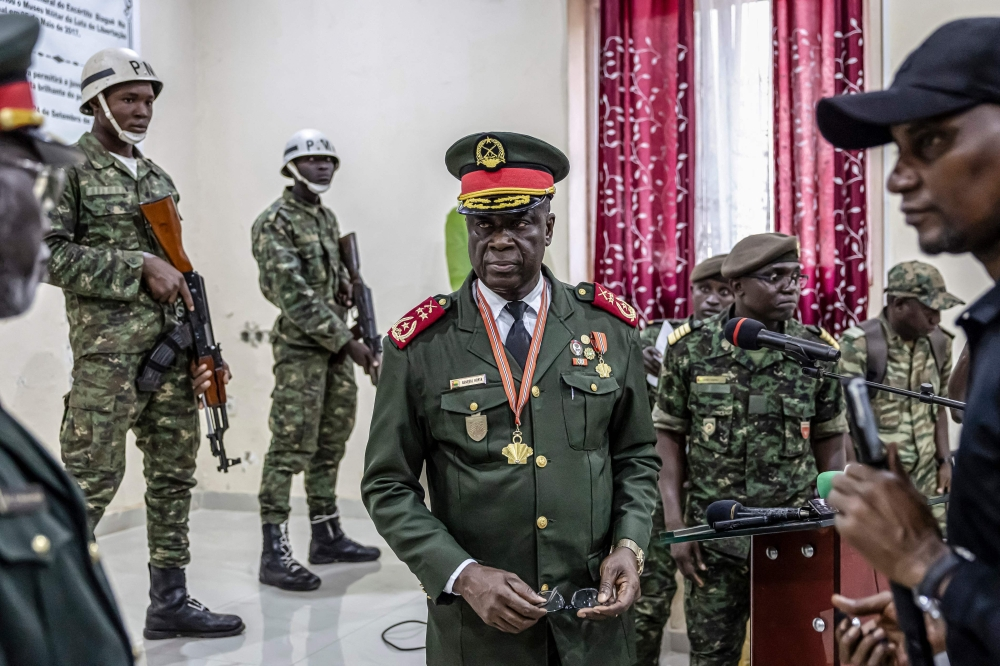
In a decisive move reflecting the continent's rejection of unconstitutional changes, the African Union announced the immediate suspension of Guinea-Bissau's membership in all its bodies and activities. This decision comes as a direct response to the military coup that ousted elected President Umaro Sissoco Embaló and plunged the West African nation into a new political crisis.
Background to the coup and a history of instability
This coup was not an isolated event in Guinea-Bissau's history. Since gaining independence from Portugal in 1974, the country has suffered from chronic political instability, experiencing a series of coups, attempted coups, and political assassinations. This turbulent history has left democratic institutions fragile and severely hampered economic and social development efforts. Military intervention in politics, along with ethnic tensions and rampant corruption, is often cited as a major factor behind this ongoing cycle of crises. This situation has exacerbated the country's problems, including its past role as a major transit point for drug trafficking from Latin America to Europe, further complicating the political landscape and weakening state authority.
The implications of the African decision and its regional significance
The African Union’s decision to suspend Guinea-Bissau’s membership is not merely a punitive measure, but a strong political message to military leaders across the continent. This stance underscores the Union’s commitment to its core principles, particularly the 2000 Lomé Declaration, which condemns and rejects any unconstitutional change of government. The significance of this decision lies in its broader regional context, as West and Central Africa has witnessed a wave of military coups in recent years, in what has become known as the “coup belt,” raising serious international concerns about the erosion of democracy on the continent.
Expected impact on Guinea-Bissau and the international community
Domestically, the suspension is expected to further isolate the ruling military junta and increase pressure on it to return to the constitutional path. This decision could be followed by economic and diplomatic sanctions from other regional organizations, such as the Economic Community of West African States (ECOWAS), as well as from international partners. While these measures are necessary to push for a return to democracy, they could worsen the living conditions of ordinary citizens already struggling with poverty and inadequate basic services. The international community is closely monitoring the situation, fearing that continued instability in Guinea-Bissau could have security repercussions beyond its borders, threatening the stability of the already fragile West African region.