In a move reflecting a significant improvement in the health situation across the African continent, the Africa Centres for Disease Control and Prevention (Africa CDC) officially lifted the public health emergency declared due to the outbreak of the MBO virus, formerly known as monkeypox. This strategic decision followed a tangible and sustained decline in the number of reported cases and deaths in affected countries, indicating the success of initial containment efforts.
The center emphasized in its statement issued on Saturday that this decision does not signify the complete eradication of the virus, but rather represents a transition from the acute emergency response phase to a phase of sustainable management and control. The decision was based on detailed recommendations from the Emergency Advisory Group, which assessed the epidemiological situation and commended the strengthening of the continent's health security system, the effectiveness of political leadership, the growth of regional cooperation, and the international partnerships that contributed to providing vaccines and necessary resources.
Background of the crisis and the international response
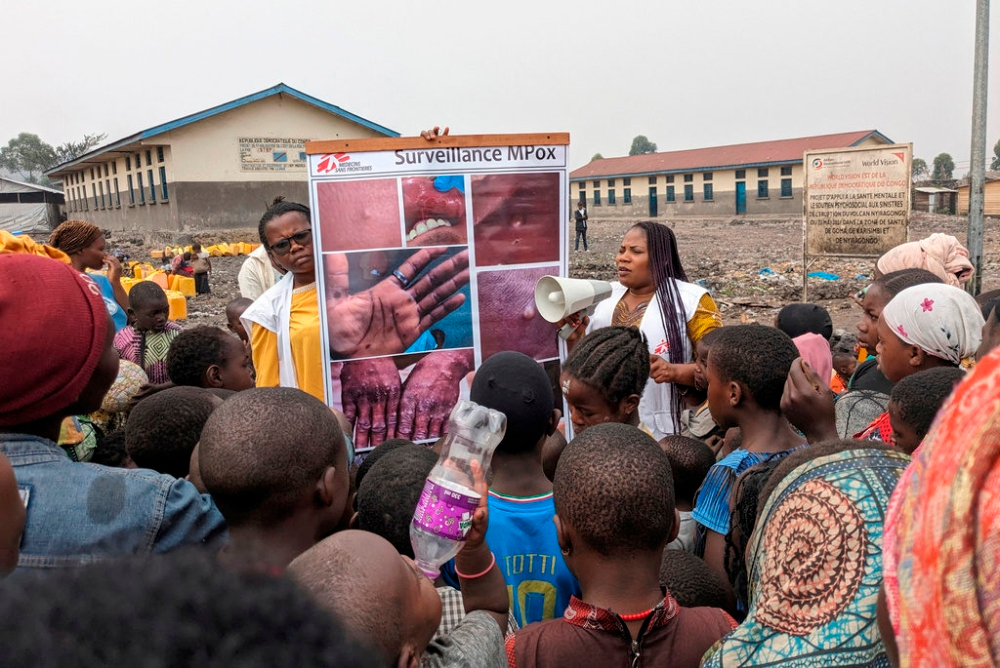
The declaration of a public health emergency of international concern dates back to August 2024, when the African continent witnessed an alarming surge in cases, particularly with the emergence of new, more transmissible strains. At that time, the World Health Organization did not hesitate to classify the outbreak as a public health emergency of international concern, prompting a global mobilization to prevent a repeat of previous epidemic scenarios. The Democratic Republic of Congo and several neighboring countries were at the epicenter of this outbreak, necessitating urgent intervention to contain the disease.
The importance of the decision and its future impact
Lifting the state of emergency carries significant implications beyond the health dimension; it signals the recovery of African health systems and their growing capacity to manage complex crises with greater autonomy. This decision is expected to have a positive impact on travel, trade, and tourism across the continent, which have been partially affected by pandemic-related concerns. It also strengthens confidence in African health institutions and their ability to coordinate with international partners to provide treatments and vaccines.
Despite the optimism, public health experts stressed the need for continued epidemiological vigilance. The virus remains present in the environment, and the possibility of new outbreaks persists unless vaccination campaigns and community awareness efforts continue. Therefore, the next phase requires integrating monkeypox control programs into routine health systems to ensure that numbers do not rise again, with a focus on improving laboratory surveillance infrastructure in remote areas.