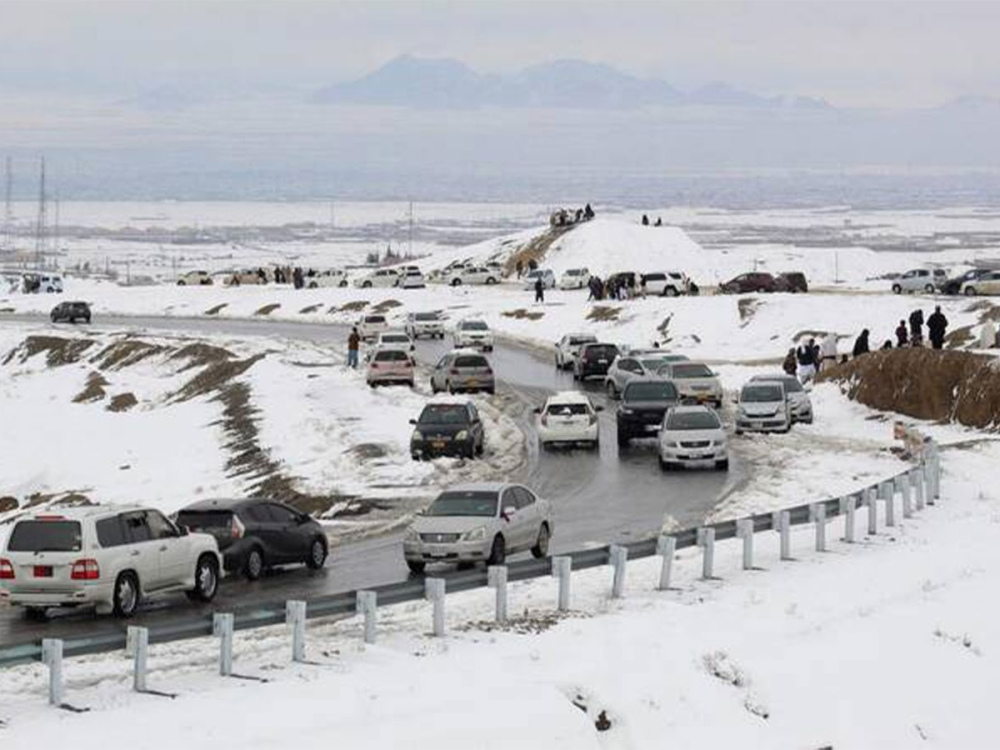
Over the past few days, Afghanistan has experienced a severe wave of violent weather fluctuations, including heavy snowfall and torrential rains, resulting in heavy human and material losses in several provinces, particularly in the northern and central regions of the country.
Total losses and material damages
According to the latest data from Afghanistan's National Disaster Management Authority, these harsh weather conditions have directly affected at least 360 families. Official reports indicate that floods and snow accumulation have destroyed or severely damaged 458 homes, leaving hundreds of people homeless in extremely low temperatures.
In a shocking initial count, authorities confirmed that 61 people were killed and 110 others were injured to varying degrees during the period from Wednesday to Friday, reflecting the scale of the disaster that struck the affected areas.
Traffic paralyzed and Salang Passage closed
On the infrastructure front, authorities in Parwan province announced the closure of the Salang highway, a vital artery connecting the capital, Kabul, to the north of the country through the Hindu Kush mountain range. This strategic route is the main supply line for food and fuel, and its closure typically leads to an immediate surge in the prices of basic commodities in local markets, exacerbating the suffering of citizens.
In response to the emergency situation, field teams distributed urgent food aid to travelers stranded in the mountain passes of central Bamiyan province, while officials renewed their calls for citizens to avoid unnecessary travel on snow-covered roads to protect their lives.
The humanitarian and geographical context of the disaster
This natural disaster further complicates the humanitarian situation in Afghanistan, which is already suffering from severe economic and living crises. Afghanistan's rugged, mountainous terrain and harsh continental climate make it frequently vulnerable to natural disasters such as avalanches and flash floods, particularly during the winter and spring seasons.
Relief experts point out that weak infrastructure in remote areas and a lack of equipment to open roads and evacuate those affected contribute significantly to the high number of victims when such disasters occur, which calls for intensive international and local intervention to support relief and reconstruction efforts.