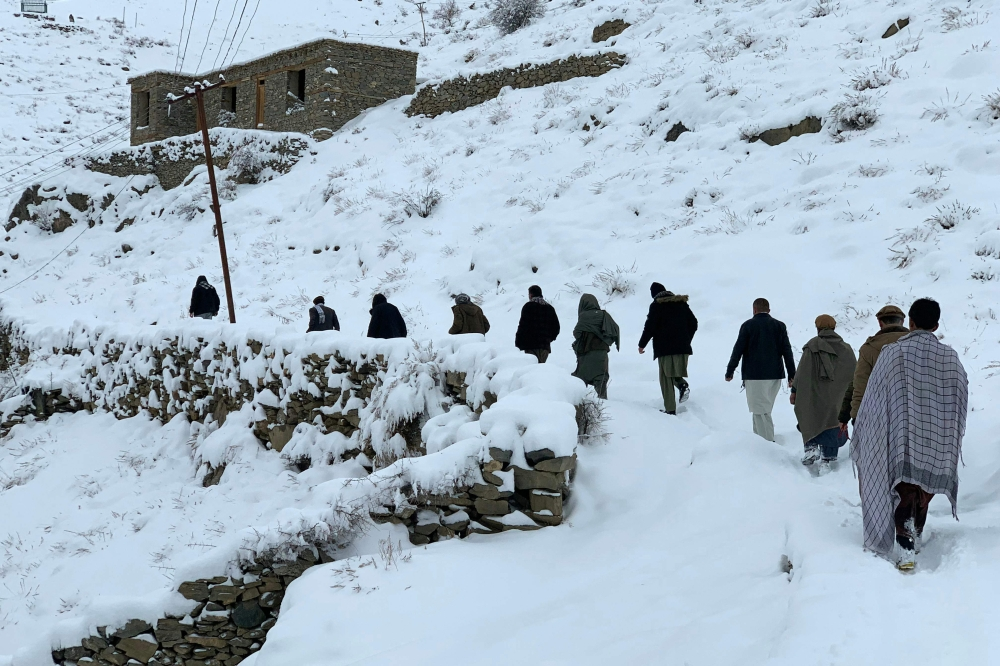
Afghanistan has been hit by a severe wave of extreme weather in recent days, with heavy snow and torrential rains causing a new humanitarian crisis. According to the latest official figures from the National Disaster Management Authority, the death toll has tragically risen to 61 in the short period from Wednesday to Friday, highlighting the scale of the suffering endured by the population under these harsh conditions.
Heavy human and material losses
The damage was not limited to loss of life; at least 110 people sustained injuries of varying severity, many requiring medical transport under complex logistical conditions. On the physical front, a map published by the National Disaster Management Authority on the X platform revealed widespread destruction, with 458 homes suffering severe damage ranging from total to partial destruction. This damage was particularly concentrated in the northern and central provinces of Afghanistan, areas known for their rugged terrain and difficult access.
The geographical and climatic context of Afghanistan
These events are unfolding within a complex geographical and climatic context. Afghanistan is characterized by rugged, mountainous terrain, particularly in the central and northern regions encompassing the Hindu Kush mountain range. These areas typically experience harsh winters, but heavy snowfall and torrential rains over short periods often lead to natural disasters such as avalanches and flash floods. This terrain further complicates rescue and relief efforts, as narrow mountain roads become impassable, isolating remote villages from urban centers and delaying the arrival of urgent aid.
Fragility of infrastructure and its impact
One of the factors contributing to the high number of casualties and the extent of material losses in such disasters is the weak infrastructure and fragile housing in rural Afghanistan. A large portion of the population in villages and rural areas relies on houses built of mud or simple materials, which are unable to withstand flash floods or heavy snowfall. This reality, coupled with decades of conflict and economic instability, has made it difficult to develop infrastructure capable of meeting the growing challenges of climate change.
Climate change and the challenges of the future
Experts indicate that Afghanistan is one of the countries most affected by global climate change, despite its minimal contribution to carbon emissions. The country experiences extreme fluctuations between prolonged droughts and flash floods, jeopardizing food security and the livelihoods of millions. This latest disaster serves as a stark reminder of the urgent need to strengthen early warning mechanisms and develop disaster management strategies to mitigate future human losses, given the expectation that such extreme weather patterns will persist.