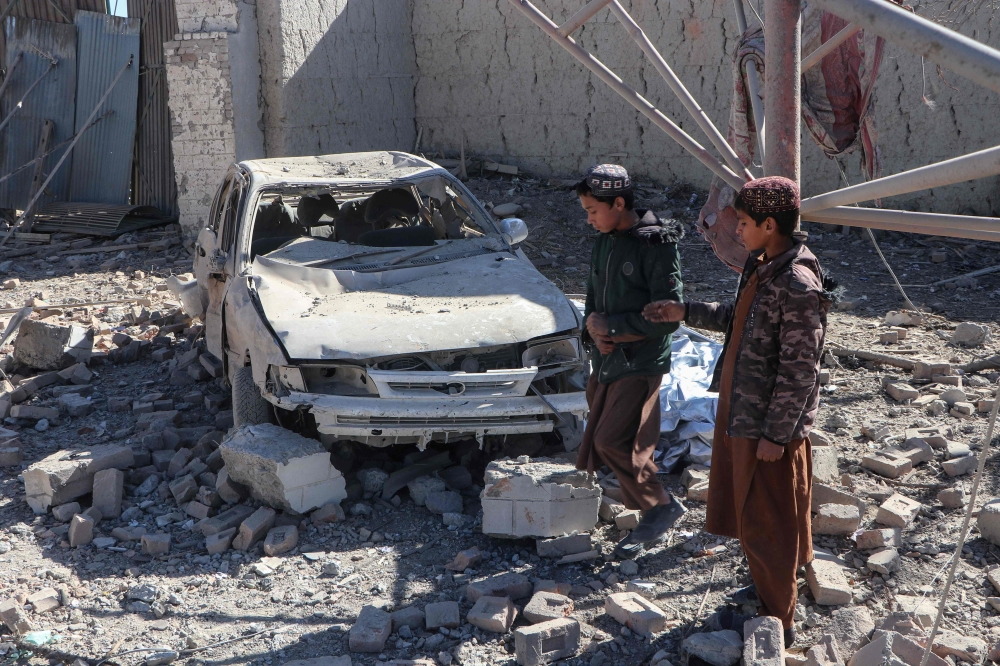
In a dangerous escalation of tensions between the two neighboring countries, the Taliban government in Afghanistan announced on Thursday that its military forces had killed and captured a number of Pakistani soldiers during fierce clashes along the border. This Afghan attack came as a direct response to Pakistani airstrikes on Afghan territory days earlier, signaling that the already strained relations between Kabul and Islamabad are entering a new phase of open confrontation.
Taliban spokesman Zabihullah Mujahid, in a statement on the “X” platform, confirmed that Pakistani soldiers had suffered casualties, saying, “A number of soldiers were killed, and a number were captured alive.” This announcement further complicates the security situation along one of the world’s most volatile borders.
A historical background of ongoing tension
Afghan-Pakistani relations have never been easy, with the roots of the dispute going back to the demarcation of the border known as the Durand Line, imposed in 1893 by British colonial authorities. No successive Afghan government has recognized this line as an official international border, creating a state of perpetual border conflict. These tensions escalated after the Taliban returned to power in August 2011, with Islamabad accusing the movement of providing safe haven to fighters of the Pakistani Taliban (TTP), an armed group that carries out deadly attacks inside Pakistan. Kabul, in turn, denies these accusations and accuses Pakistan of repeatedly violating its sovereignty.
The importance of the event and its expected impact
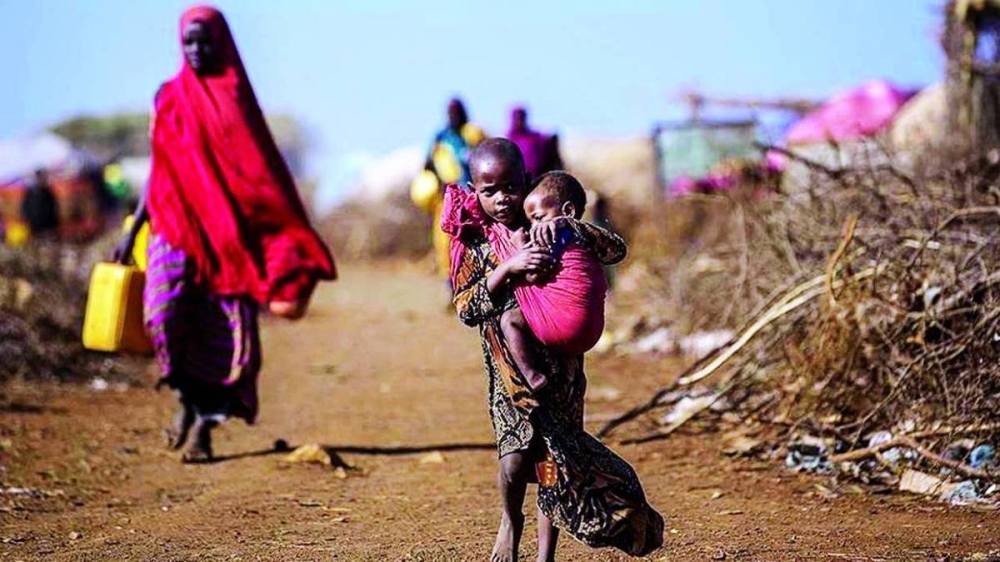
This latest escalation represents a dangerous turning point with potentially far-reaching regional and international repercussions. Locally, populations in border areas already suffer from insecurity and ongoing violence, and direct confrontations could trigger new waves of displacement and exacerbate the humanitarian crisis in Afghanistan. Regionally, any large-scale armed conflict between the two countries would threaten the stability of the entire South Asian region and could impact regional economic projects such as the China-Pakistan Economic Corridor (CPEC). Internationally, the world is watching this development with concern, as the region's descent into chaos could create a security vacuum that transnational terrorist organizations could exploit, posing a threat to global security.
Reactions and the uncertain future
For its part, the Pakistani Ministry of Information announced that Afghanistan had “unprovoked fire on several locations” in Khyber Pakhtunkhwa province, asserting that the situation was being addressed with an “immediate and effective response.” Islamabad vowed to respond firmly to any infringement on its sovereignty, leaving the door open to all possibilities, including further military operations. In the absence of effective diplomatic channels and with a deep lack of trust between the two sides, the region appears headed for a period of uncertainty, where the course of events hinges on both sides exercising restraint and prioritizing dialogue over violence.