The United Nations World Food Programme (WFP) has once again sounded the alarm about the deteriorating humanitarian situation in Afghanistan, confirming that more than 17 million people are facing the risk of “acute food insecurity” this winter. This figure represents an alarming increase of more than 3 million people compared to last year, reflecting the depth of the crisis gripping the country.
Context of the crisis: Accumulation of disasters
The current hunger crisis cannot be separated from the political and economic context that Afghanistan has been experiencing since August 2021. Following the Taliban's takeover and the withdrawal of international forces, the country entered a period of near-total international isolation. Afghan sovereign assets abroad were frozen, and international aid, on which the economy heavily relied, ceased, leading to the collapse of the banking system and paralysis in both the public and private sectors. This sudden economic collapse resulted in the loss of millions of jobs and a catastrophic erosion of citizens' purchasing power.
Multifaceted effects
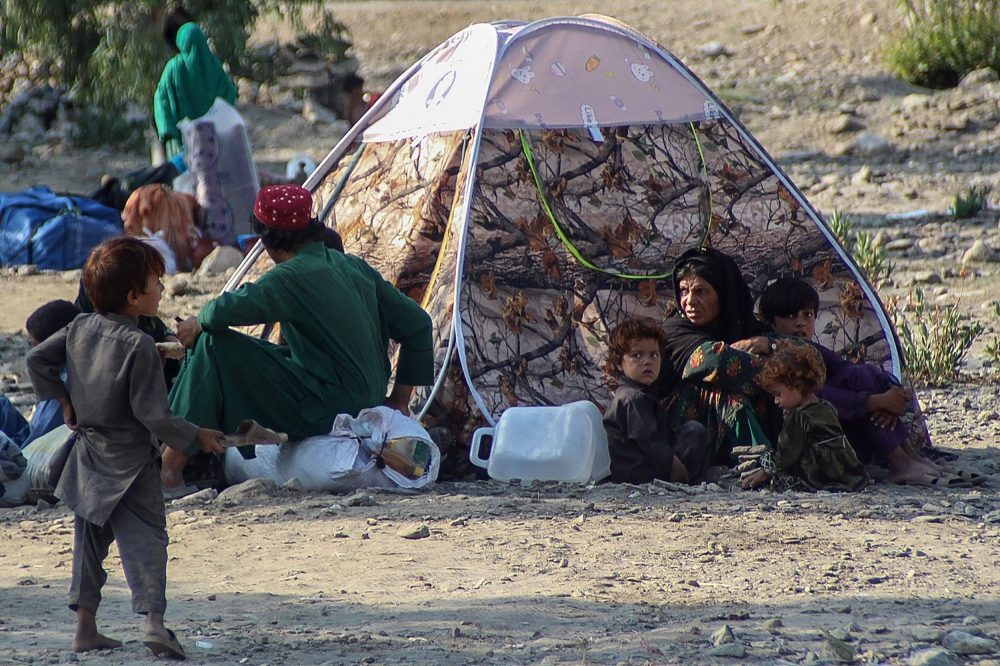
John Aleve, the program director in Afghanistan, said, reflecting the scale of the tragedy: “Our teams are seeing families who haven’t been able to get food for days, are taking drastic measures to survive, and child mortality rates are rising. The situation is likely to worsen in the coming months.” Aleve added that Afghanistan is bracing for a harsh winter amidst a confluence of crises. A severe drought, believed to be the worst in decades and exacerbated by climate change, has devastated crops in nearly half the country. Recent earthquakes in western Afghanistan have further compounded the situation, displacing thousands of families and destroying their remaining livelihoods, significantly increasing the humanitarian needs.
Importance and potential impacts
The worsening hunger crisis in Afghanistan has serious repercussions at the local, regional, and international levels. Locally, acute malnutrition threatens an entire generation of children, potentially causing permanent physical and mental damage. Economic despair is also fueling illegal migration and social unraveling. Regionally, Afghanistan’s neighbors, such as Pakistan and Iran, fear new waves of refugees, which would further strain their resources and increase the likelihood of regional instability. Internationally, the crisis presents a humanitarian and moral challenge for the international community, which finds itself torn between the need to provide life-saving aid and the need to avoid legitimizing the Taliban government.
Amid all these challenges, Elif pointed to the decline in international interest in the Afghan issue, saying: “Despite all this, talk about directing aid to Afghanistan is fading. We need to bring the Afghan crisis back to the forefront of the obvious in order to give the most vulnerable people in Afghanistan the attention they deserve.”.