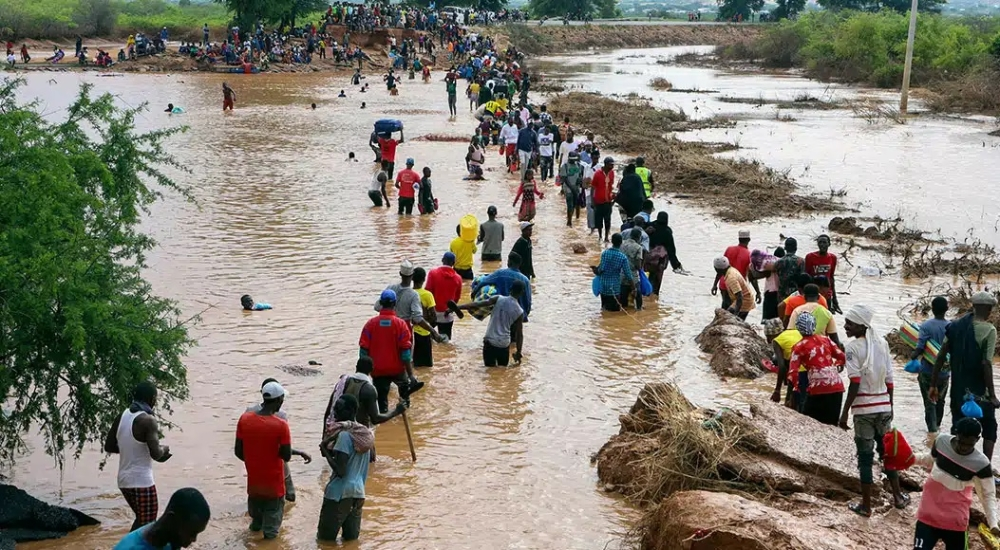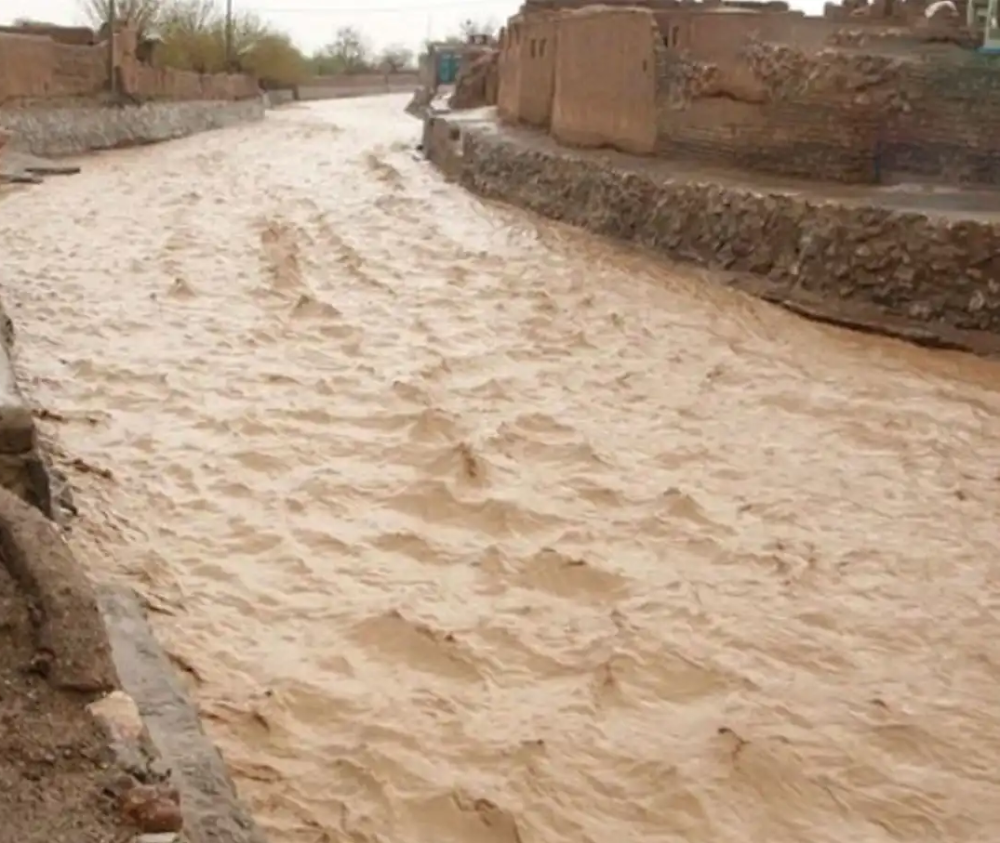
At least 17 people were killed and 11 others were seriously injured in a violent wave of floods and torrents that swept through large areas of Afghanistan, as a result of unprecedented heavy rainfall that has not been seen for a long time.
In detailing the disaster, Mohammad Yusuf Hamad, spokesman for the Afghan National Disaster Management Authority, stated today that the country had experienced its first heavy rainfall and snowfall of the season. He explained that while these rains brought an end to the severe and prolonged drought that had plagued the country, they had turned into a curse, causing devastating floods in several provinces.
Heavy material and human losses
The Afghan official added that the severe weather has paralyzed daily life and disrupted transportation across the central, northern, southern, and western regions of the country. Initial reports indicate that the floods have severely damaged the already fragile infrastructure in the affected provinces and caused the deaths of large numbers of livestock, a primary source of livelihood for many residents.
Approximately 1,800 families were directly affected by these natural disasters, exacerbating the already precarious living conditions in rural and urban areas suffering from economic and service insecurity. The National Disaster Management Authority confirmed that it has dispatched emergency assessment teams to the most affected areas, where field surveys are currently underway to identify additional needs and accurately assess the losses.
challenging climatic and geographical context
These floods occur within a complex geographical and climatic context; Afghanistan, with its rugged mountainous terrain, is highly prone to natural disasters. Heavy monsoon rains falling on hard, dry ground—a consequence of previous droughts—often lead to flash floods that the soil cannot absorb, thus exacerbating the disaster.
Environmental studies indicate that Afghanistan, like its neighbors India and Pakistan, is located in a region highly affected by global climate change, where the weather fluctuates between severe drought and devastating floods, placing enormous pressure on the population and the government.
The humanitarian crisis is worsening
This natural disaster takes on an additional tragic dimension given the humanitarian and economic situation in Afghanistan. The country has been suffering for years from crippling economic crises and resource shortages, making it extremely difficult for local communities to recover from natural disasters without external assistance.
A large segment of the population lives in homes built of mud or other non-waterproof materials, particularly in villages and rural areas, making them vulnerable to immediate displacement during heavy rains. These floods increase the risk of waterborne diseases and exacerbate food insecurity due to damage to crops and livestock deaths.