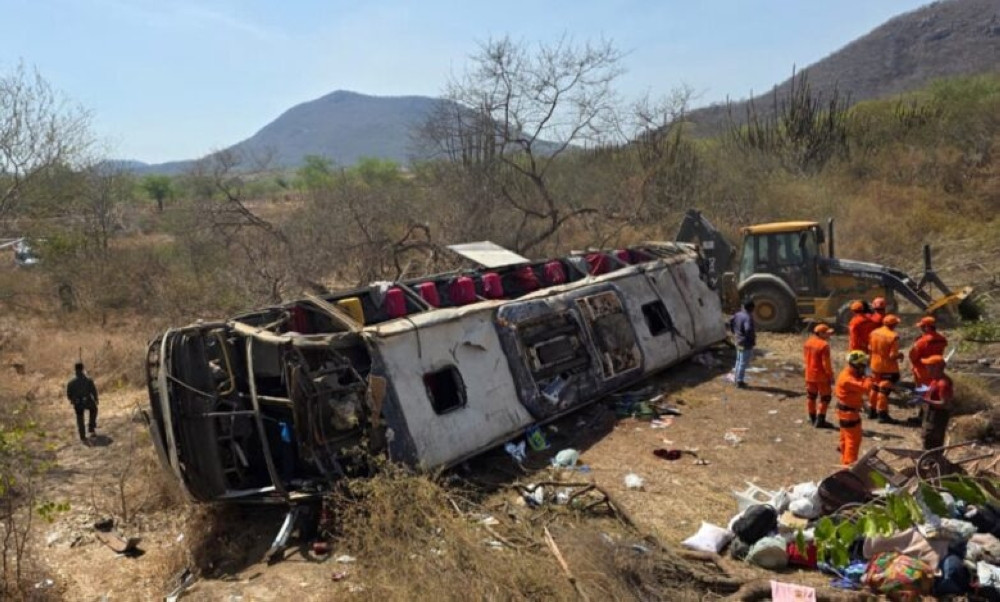
In a tragic accident that adds to the series of deadly traffic incidents in Afghanistan, at least 15 people, including six children and five women, were killed when a passenger bus overturned and plunged into a ravine in a rugged area of Badakhshan province in the northeast of the country. A spokesman for the provincial police confirmed that the accident occurred while the bus was traveling on a road toward Faizabad, the provincial capital, attributing the immediate cause of the accident to the “poor condition of the road,” which led to the bus veering off the road and falling into the ravine.
A broader context for a recurring crisis: crumbling infrastructure
This incident is not an isolated event, but rather a symptom of a deep and ongoing crisis in Afghanistan's transportation and infrastructure sector. After more than four decades of conflict and war, from the Soviet invasion through civil wars to international intervention, the country's road network has suffered systematic neglect and destruction. Many roads, especially in mountainous and remote areas like Badakhshan, are unpaved tracks lacking even the most basic safety features such as guardrails and warning signs, making them deadly traps for drivers and passengers.
Afghanistan's harsh geography exacerbates the problem. The winding, narrow mountain roads, which traverse treacherous passes like the Salang Pass, become even more dangerous during the harsh winters due to snow accumulation and avalanches, and in the spring due to flooding and landslides. This reality makes traveling between towns and villages a daily, perilous adventure for Afghan citizens.
Significance and impact: Beyond the casualty figures
The recurrence of these incidents represents a humanitarian and economic catastrophe for the country. Locally, each tragedy leaves deep wounds in the fabric of small communities, as families lose their breadwinners and children, further straining already fragile healthcare systems. Nationally, these incidents highlight the immense challenge facing the governing authorities in Kabul: the urgent need to rebuild infrastructure and provide safe roads for its citizens as a fundamental priority for achieving stability and development.
The lack of a safe road network not only impedes the movement of people but also paralyzes trade and hinders the delivery of humanitarian aid to affected areas, exacerbating the country's humanitarian crisis. Road accidents, along with reckless driving and poor vehicle maintenance, are a leading cause of death in Afghanistan. The country has witnessed horrific accidents in recent years, most notably a bus-truck collision last August that killed 78 people, mostly migrants returning from Iran, in one of the deadliest incidents in the country's modern history.