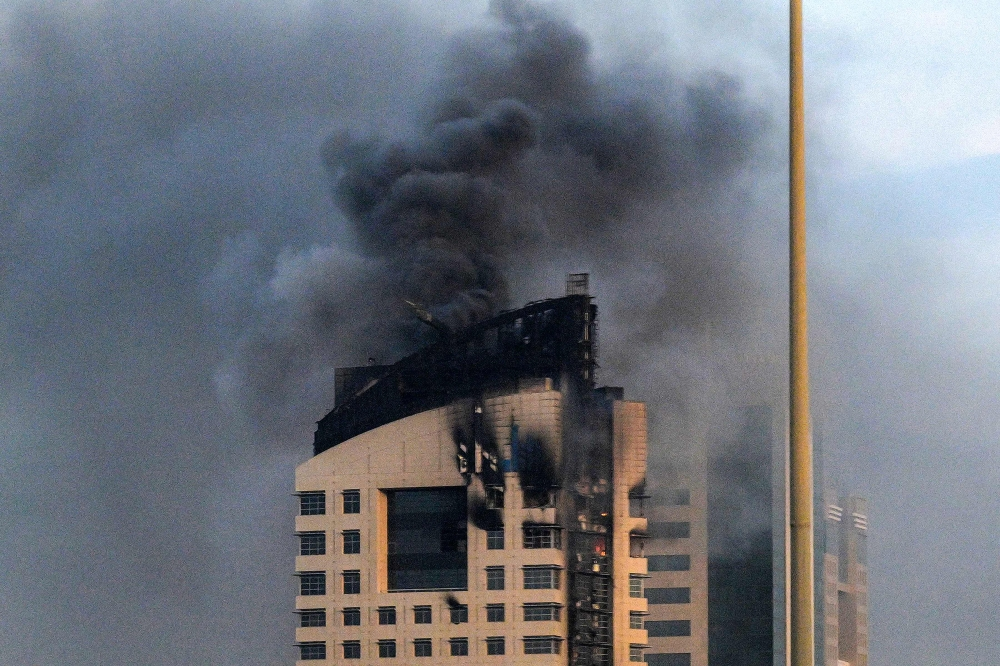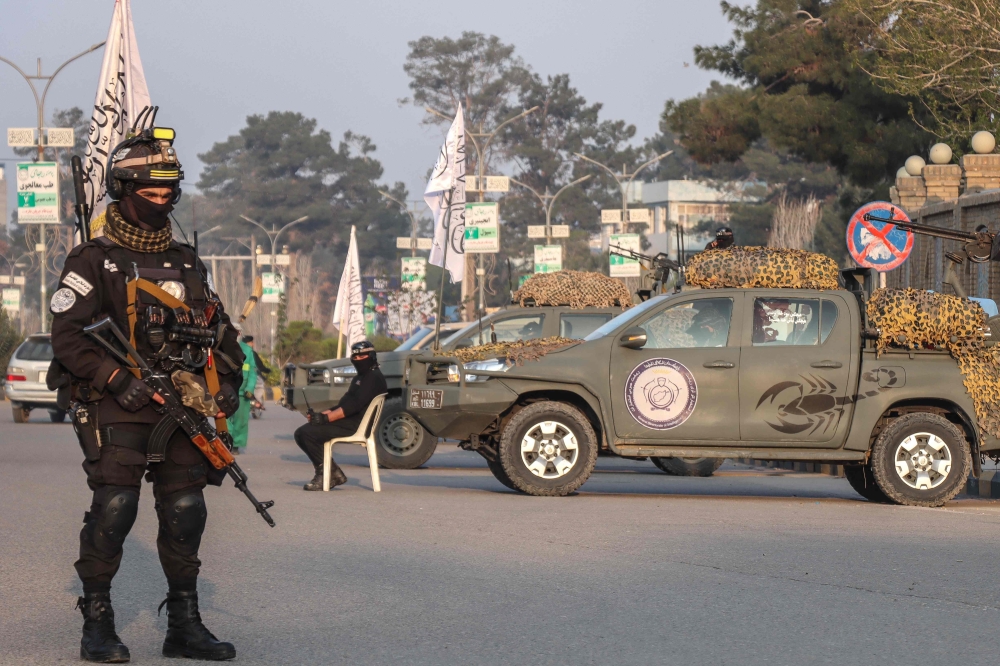
In a significant security development, tensions along the Afghan-Pakistani border taken center stage in the political and military landscape. This follows the Afghan government's formal accusation that Pakistani forces launched a rocket attack that killed a civilian and injured a woman in eastern Afghanistan. This tragic incident occurred at a time when residents of the border region were hoping for a period of calm. The attack took place despite a temporary ceasefire agreement between the two countries for the Eid al-Fitr holiday, raising serious questions about the parties' commitment to bilateral agreements and their capacity for restraint.
The roots of the conflict and the history of tensions on the Afghan-Pakistani border
To understand the nature of this escalation, it is essential to consider the complex historical context surrounding relations between Kabul and Islamabad. The Afghan-Pakistani border , historically known as the Durand Line, drawn in the late 19th century, is a fundamental and persistent point of contention between the two countries. Successive Afghan governments have not recognized this line as an official international border, making the areas adjacent to it a constant flashpoint for armed conflict and political tensions.
These historical disputes are exacerbated by the mutual accusations of the modern era. Islamabad consistently accuses Kabul of harboring fighters belonging to the Pakistani Taliban (Tehrik-e-Taliban Pakistan), claiming that these militants use Afghan territory as a safe haven to plan and launch deadly attacks inside Pakistan. The current Afghan government vehemently denies these accusations, asserting that it does not permit its territory to be used to threaten the security of any neighboring country.
Details of the latest breach of the Eid truce
Returning to the recent incident, Hamdullah Fitrat, an aide to the Taliban government spokesperson, stated via the X platform that the Pakistani military fired a mortar shell at the Shaltan area in the Nari district of Kunar province. He asserted that this indiscriminate shelling resulted in the death of an innocent civilian and injuries to a woman. While the spokesperson did not provide further details about the victim's identity, a local medical source confirmed the death.
The irony of this attack is that it came just days after Pakistan and Afghanistan, which have been engaged in intermittent conflict for months, announced a temporary ceasefire to last until Monday evening local time, in observance of Eid al-Fitr. This breach casts serious doubt on the effectiveness of diplomatic channels between the two sides.
The humanitarian and regional repercussions of the ongoing escalation
The effects of this conflict extend beyond direct casualties, encompassing a worsening humanitarian crisis. This bombing followed a series of violent clashes that erupted on February 26 in border areas, involving mortar fire and intensive drone activity. According to a previous UN tally, at least 76 Afghan civilians have been killed since late February, not including the victims of an earlier strike on a drug rehabilitation center in Kabul that left hundreds dead.
Furthermore, these recurring clashes have triggered mass displacement, forcing more than 115,000 people in Afghanistan to flee their homes in search of safety. This ongoing instability not only threatens the lives of innocent civilians but also poses serious repercussions for regional security in South Asia, hindering development efforts and further complicating the delivery of UN and international humanitarian aid to the most vulnerable populations in the region.