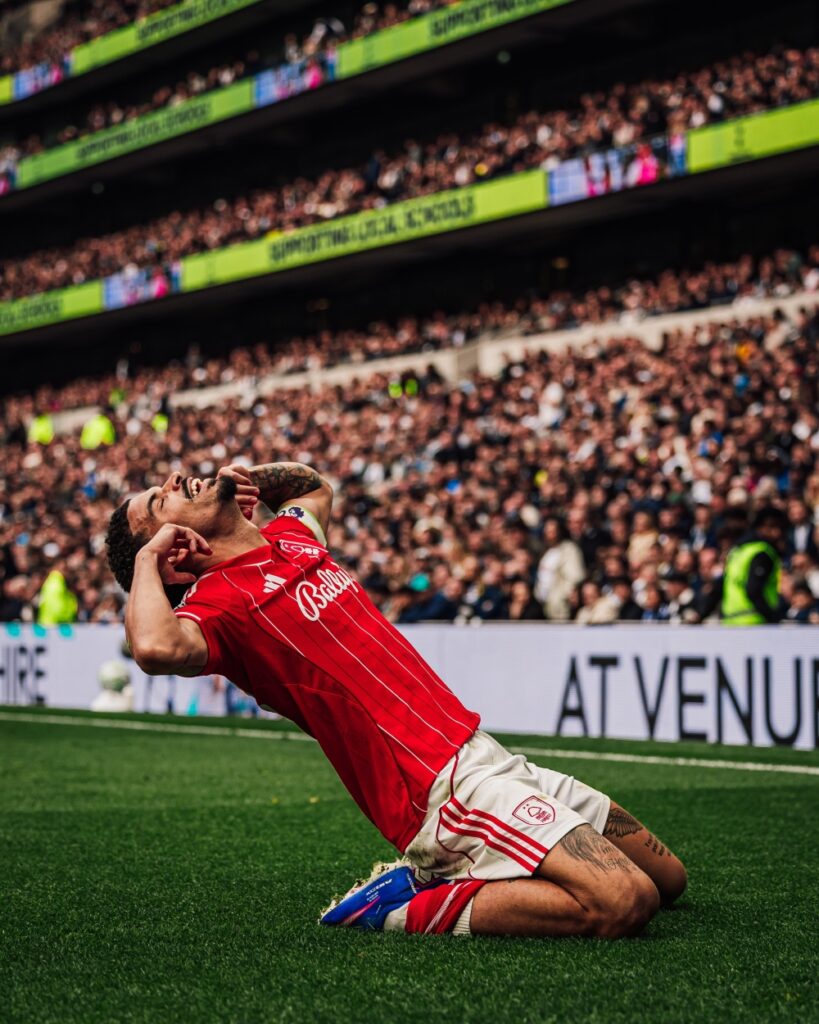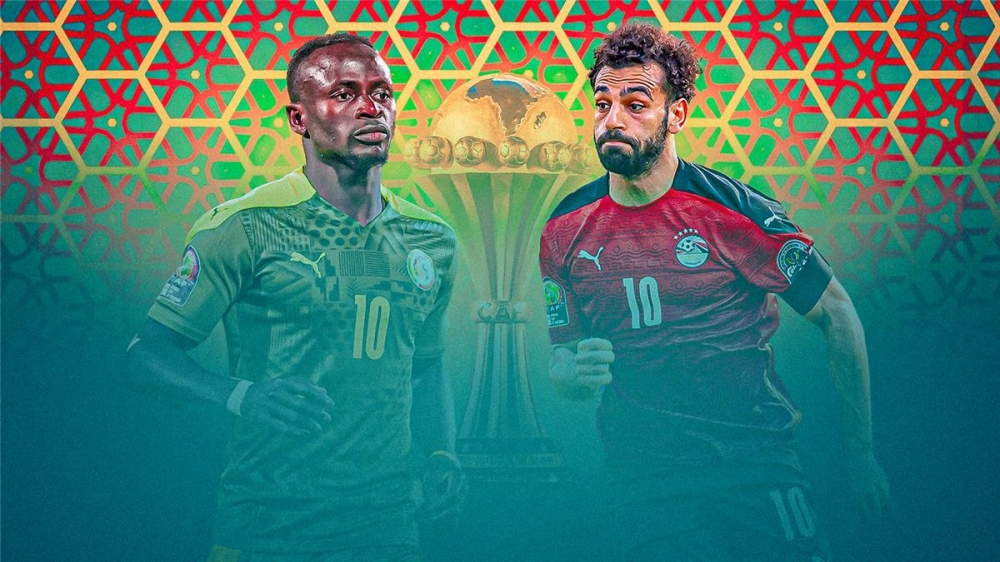
The eyes of football fans around the world, and especially in Africa, are turned towards the Moroccan capital, Rabat, as the excitement of the Africa Cup of Nations reaches its peak with the start of the semi-final matches. The tournament has lived up to expectations, witnessing the brilliance of some of the world's biggest names who have carried the hopes of their nations on their shoulders, with the golden quartet of Morocco's Achraf Hakimi, Nigeria's Victor Osimhen, Senegal's Sadio Mane, and Egypt's Mohamed Salah emerging as key pillars of this footballing spectacle.
The importance of the event and the historical context
This edition of the Africa Cup of Nations holds exceptional significance as it is being held in Morocco, a country striving to reaffirm its continental and global sporting leadership following its historic achievement at the Qatar World Cup. The qualification of these four teams (Morocco, Nigeria, Senegal, and Egypt) for the semi-finals is an ideal scenario for both organizers and fans, given the historical and popular weight of these nations. While Morocco seeks its second title, which has eluded them since 1976, Egypt aims to extend its record of seven titles, and Senegal and Nigeria aspire to solidify West Africa's dominance.
Achraf Hakimi: The leader who came back from afar
Achraf Hakimi, the Paris Saint-Germain star, stole the show not only with his skill but also with his fighting spirit. Hakimi began the tournament suffering from the effects of a serious left ankle injury sustained in the Champions League in early November. Despite missing the first two matches, his return in the third game, followed by his full participation in the round of 16 against Tanzania (1-0) and the quarter-final against Cameroon (2-0), provided a huge morale boost for the Atlas Lions.
Although Hakimi hasn't fully regained his fitness after the long break, his contributions were crucial, as he set up the winning goal for his teammate, Real Madrid star Brahim Diaz. Coach Walid Regragui knows that facing Nigeria's attacking prowess in the semi-final will require patience and tactical acumen from his beloved captain.
Victor Osimhen: Revenge and the Quest for Glory
On the other side, Galatasaray striker Victor Osimhen stands out as a formidable force. Osimhen enters the match with a "rebel" spirit, driven by the desire to erase the memory of losing the previous edition's final to Ivory Coast and to make amends for failing to qualify for the 2026 World Cup. Osimhen's statistics speak for themselves: 4 goals and 2 assists in 5 matches, leading Nigeria to the tournament's most potent attack with 14 goals. Osimhen's footballing maturity is evident, as he combines defensive zeal with attacking prowess, making him the biggest threat to the Moroccan defense.
Sadio Mane: Experience makes the difference
In the Lions of Teranga camp, veteran Sadio Mane (33 years old) proves that gold never rusts. Despite a decline in his usual speed, his tactical intelligence has made him the most influential player in the tournament's history, breaking Ivorian Yaya Toure's record for assists (9). Mane, who commands immense respect both on and off the pitch, leads Senegal with the wisdom of a captain, forming an impenetrable wall with his teammates in their quest to defend Senegal's prestige.
Mohamed Salah: The dream that never dies
As for the Egyptian Pharaoh, Mohamed Salah, he is embarking on his fifth tournament with his sights set on the trophy that has long eluded him. Salah, who appeared in high spirits and good humor in Morocco, scored four goals, putting himself in direct competition with the tournament's top scorer, Brahim Diaz. Despite occasional criticism from his coach, Hossam Hassan, Salah remains a key player for Egypt, carrying the hopes of millions to secure an eighth star and reaffirm the Pharaohs' dominance of the African continent.