The first round of the 35th Africa Cup of Nations, hosted by Morocco, concluded Wednesday evening. This stage confirmed the dominance of the major teams, with most matches proceeding as expected, with the exception of Gabon's surprising early exit. The title contenders secured their places in the round of 16, amidst a notable and unprecedented Arab presence.
Historical context and importance of the continental event
This edition of the tournament is of particular importance as it is being held in Morocco, which is striving to confirm its readiness to host major international football events, especially with its bid to host the 2030 World Cup. The Africa Cup of Nations is the most important competition on the African continent, having developed significantly since its inception in 1957, with the number of participating teams increasing to 24 starting with the 2019 edition, which has increased the intensity of the competition and the marketing value of the tournament.
The dominance of the major powers and an unprecedented Arab achievement
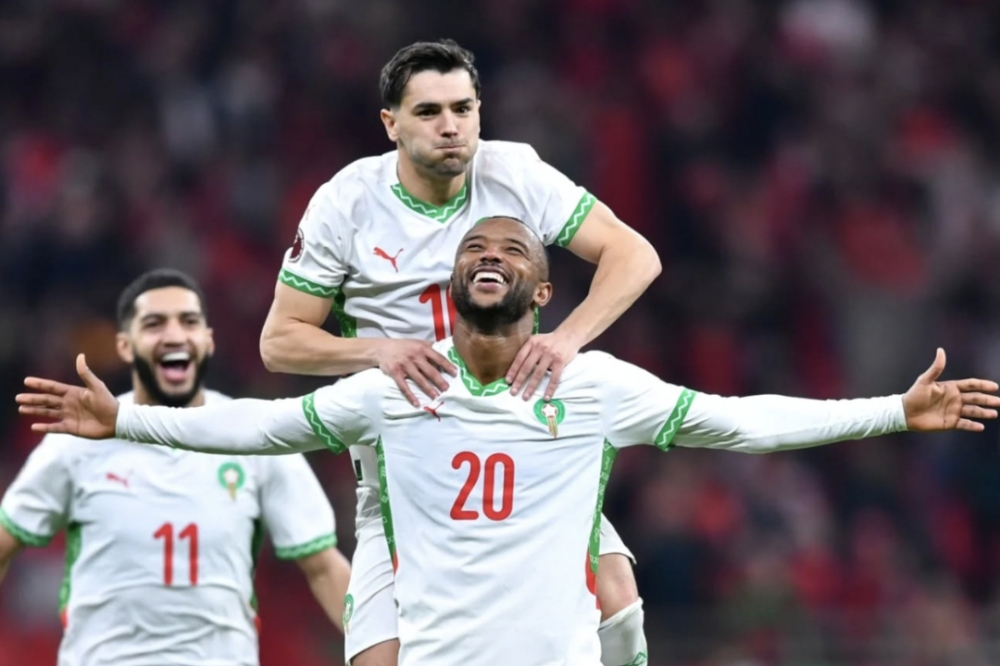
Egypt, the record holder with seven titles, was among the first teams to qualify, followed by Nigeria and Algeria, the only two to achieve a perfect record in the group stage. Morocco (the host nation), Mali, and South Africa also secured their places in the knockout rounds. The presence of five Arab teams in the round of 16 (Egypt, Morocco, Algeria, Tunisia, and Sudan) marks a historic first, reflecting the development of Arab football on the continent and generating significant public and media interest in the upcoming stages.
Pleasant surprises and a historic qualification for the juniors
The tournament also witnessed historic achievements for lower-ranked teams. Mozambique secured its first-ever qualification, capitalizing on a thrilling victory over Gabon. Tanzania followed suit, qualifying alongside Tunisia thanks to draws, mirroring Benin's feat in the 2019 edition. Sudan, champions in 1970, also made a successful return to the continental stage with their well-deserved qualification.
Numbers speak louder than words: Nigeria's attack was overwhelming, but their defenses were inconsistent
In terms of statistics, Nigeria led the attack with 8 goals, followed by Algeria and Senegal (7 goals each). Defensively, Morocco, Egypt, Senegal, and Algeria distinguished themselves by conceding only one goal each, reflecting their organizational strength. In contrast, Tunisia, Sudan, and Mozambique struggled defensively, conceding 5 goals each, raising questions about their ability to withstand the knockout stages.
Huge cash prizes and highly anticipated matches
The qualified teams are competing not only for the continental title but also for the prize money, which the Confederation of African Football (CAF) has increased to $10 million in a move aimed at strengthening the infrastructure of African football. Football fans are anticipating some heavyweight clashes in the round of 16, most notably the encounters between Algeria and the Democratic Republic of Congo, and Ivory Coast and Burkina Faso. Meanwhile, the other Arab teams will face varying degrees of difficulty, with Morocco playing Tanzania, Egypt taking on Benin, and Tunisia clashing with Senegal in a classic encounter.
Coaches' statements: A new championship begins now
Morocco's coach, Walid Regragui, emphasized that the knockout stages represent a "new championship" where there is no room for compromise, stressing the Atlas Lions' desire to break their 50-year title drought. Meanwhile, Egypt's coach, Hossam Hassan, stated that the Pharaohs' sole objective is to bring the trophy home. Similarly, Sudan's coach, Kwesi Appiah, expressed his pride in qualifying, which he described as a balm for the Sudanese people amidst the difficult circumstances the country is facing, promising a respectable performance against Senegal.