With the 2025 Africa Cup of Nations reaching the quarter-final stage, all eyes of football fans are on the Moroccan stadiums, where the major teams have secured their places in this crucial round. The tournament has left no room for major upsets in eliminating the big names, instead paving the way for classic encounters that evoke a long history of fierce continental rivalry, promising a feast of football on Friday and Saturday.
The importance of the event and the historical context
This year's edition, hosted by Morocco, holds exceptional significance that extends far beyond the pitch. The tournament is being held on Moroccan soil, a country striving to reaffirm its sporting leadership and world-class infrastructure in preparation for even greater international events in the future. Historically, the knockout stages of the Africa Cup of Nations have been a stage for the emergence of legends and the consolidation of the dominance of traditional powers. This year's edition features a strong presence of former champions, further intensifying the competition and adding to the prestige of the title.
Senegal and Mali: A West African derby
In the opening match, Senegal, one of the tournament favorites, will face Mali in an all-West African clash. On paper, the odds favor the "Lions of Teranga," who are steadily pursuing their second title, bolstered by the return of their captain and defensive stalwart, Kalidou Koulibaly. The Senegalese team relies on a blend of experience, embodied by Edouard Mendy and Sadio Mané, and youthful energy, spearheaded by rising star Ibrahim Mbaye.
In contrast, the Malian national team enters the match with the ambition of achieving a surprise and seeking its first title, relying on the tactical solidity that led it to get past the group stage and eliminate Tunisia, although the predictions are in favor of Senegal due to the technical differences and international experience.
Morocco and Cameroon: A clash of lions and a challenge to history
All eyes are on the clash between the Atlas Lions and the Indomitable Lions. The Moroccan national team, the hosts, carry the hopes of a vast audience to end a long drought since their last title in 1976. Despite criticism of their performance, Walid Regragui's squad managed to advance thanks to the brilliance of Brahim Diaz and the return of Achraf Hakimi.
The match carries a sense of revenge and historical significance, as Morocco seeks to break its Cameroon jinx, having been eliminated by the Cameroonians in the semi-finals of the 1988 edition, also held in Morocco. Cameroon, having staged a remarkable comeback in this tournament, has once again demonstrated that the true character of a champion shines through in adversity, making this match a true test of Morocco's ability to handle pressure.
Algeria and Nigeria: A perfect score summit
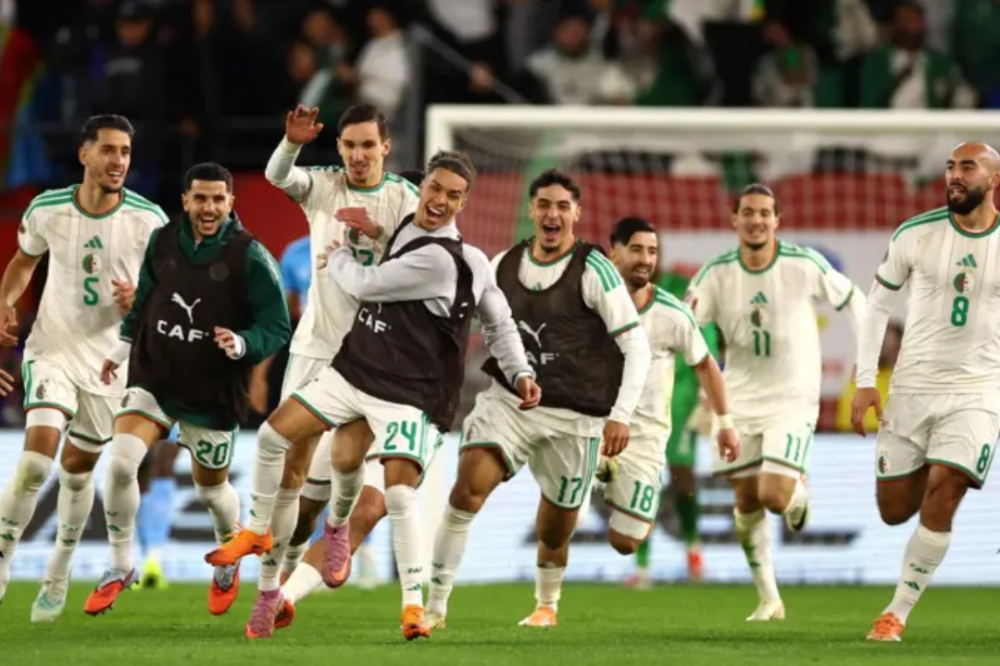
The Algeria-Nigeria match is one of the tournament's most technically impressive encounters, pitting the only two teams to have won all their previous matches against each other. The "Desert Foxes" rely on a rock-solid defense that has conceded only one goal, spearheaded by star player Riyad Mahrez and the young talent Ibrahim Maza.
On the other side, Nigeria is banking on its formidable attacking force, which has scored 12 goals, spearheaded by Victor Osimhen and Ademola Lookman. This match represents a clash between the strongest attack and the most solid defense, and the winner will take a significant step towards the championship.
Egypt vs. Ivory Coast: The Champions League Classic
The tournament concludes with a highly anticipated clash between Egypt, the continent's seven-time champions, and Ivory Coast, the defending champions. The match features a special duel between Premier League stars Mohamed Salah and Amad Diallo. While the Pharaohs haven't delivered the expected aesthetically pleasing performance, they possess the "championship DNA" and experience necessary to handle major matches. Meanwhile, Ivory Coast aims to capitalize on their recent resurgence and rejuvenation to retain their title, relying on their balanced lines and the threat posed by their wingers.