The penultimate round of the AFC Champions League group stage, the crown jewel of Asian club competitions, witnessed a striking phenomenon: a high number of draws. These results, whether goalless or with goals, were not coincidental, but rather reflected fatigue and meticulous tactical planning by the participating teams' coaching staffs, especially given the immense fixture congestion experienced by the clubs over the past two months.
Historical background and importance of the tournament
The AFC Champions League is the most prestigious club competition in Asia, featuring the champions of the leagues and cup competitions from the various national associations that are members of the Asian Football Confederation. Winning the title not only brings continental glory but also guarantees a place in the FIFA Club World Cup, placing the winning team among the world's elite clubs. This prestige makes every match in the tournament, especially in the later stages, of paramount importance to the clubs and their fans.
The tactic of resting players and its impact
With some of the top teams having already secured their place in the Round of 16, their coaches resorted to a strategy of resting key players. These coaches preferred to field a number of substitutes or bring on their stars in the second half to avoid physical fatigue and injuries that could affect the team's performance in crucial domestic competitions. For example, Al-Hilal's coach rested most of his key players in the first half of their match against Shabab Al-Ahli Dubai, and although he brought them on in the second half hoping for a win, he encountered a strong defensive organization from the Emirati team. This tactical approach, while logical for maintaining the team's readiness in the long term, directly impacted match results and diminished much of the attacking momentum.
Crucial matches and a hanging fate
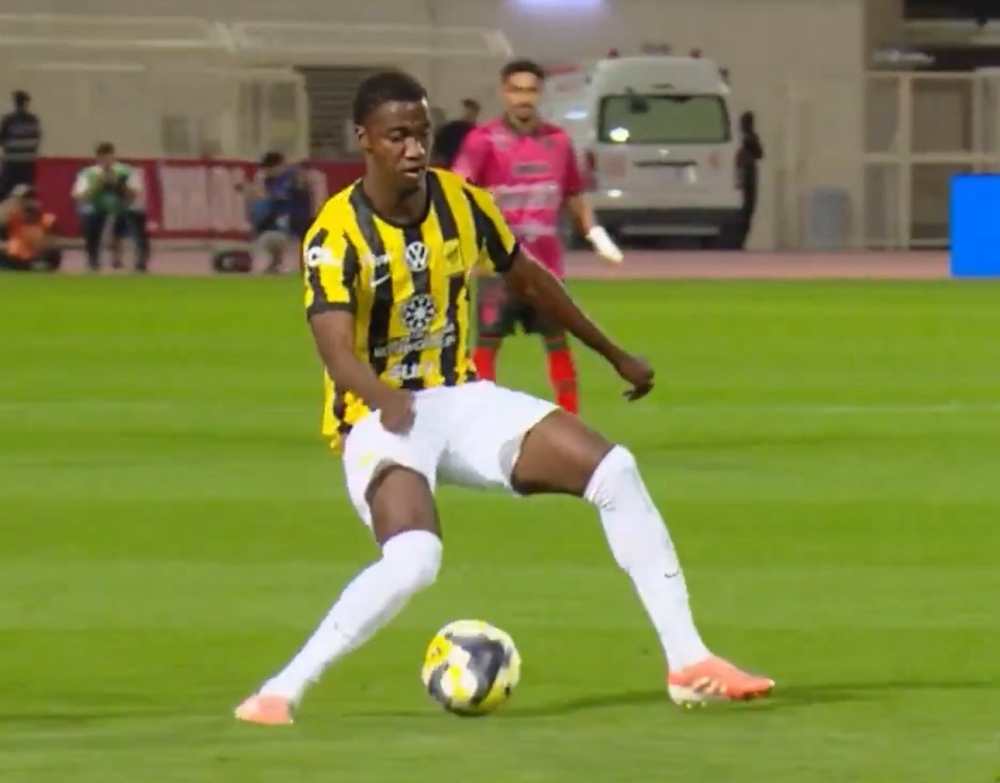
In stark contrast, this round was crucial for other teams that had not yet secured qualification. Clubs like Saudi Arabia's Al-Ittihad and Qatar's Al-Sadd entered their matches with victory as their sole objective. Al-Ittihad was preparing to face Al-Gharafa, while Al-Sadd was visiting Iran's Tractor in Tehran. Any result other than a win could mean their early exit from the tournament, placing immense pressure on the players and coaching staff. This disparity in objectives between the teams created complex tactical encounters, with one team striving to secure a point with minimal effort, while the other fought for the three points necessary to remain in contention.
In another match, Al-Ahli Saudi, led by coach Matias Jäissle, struggled against Al-Wahda of the UAE, missing several key players due to injury or personal reasons. Despite dominating possession and squandering several clear-cut chances, the match ended in a draw thanks to Al-Wahda's organized defense, which secured a valuable point. This match served as another example of the difficulty in penetrating well-organized defenses when goals are limited, resulting in a technically poor but tactically rich game.