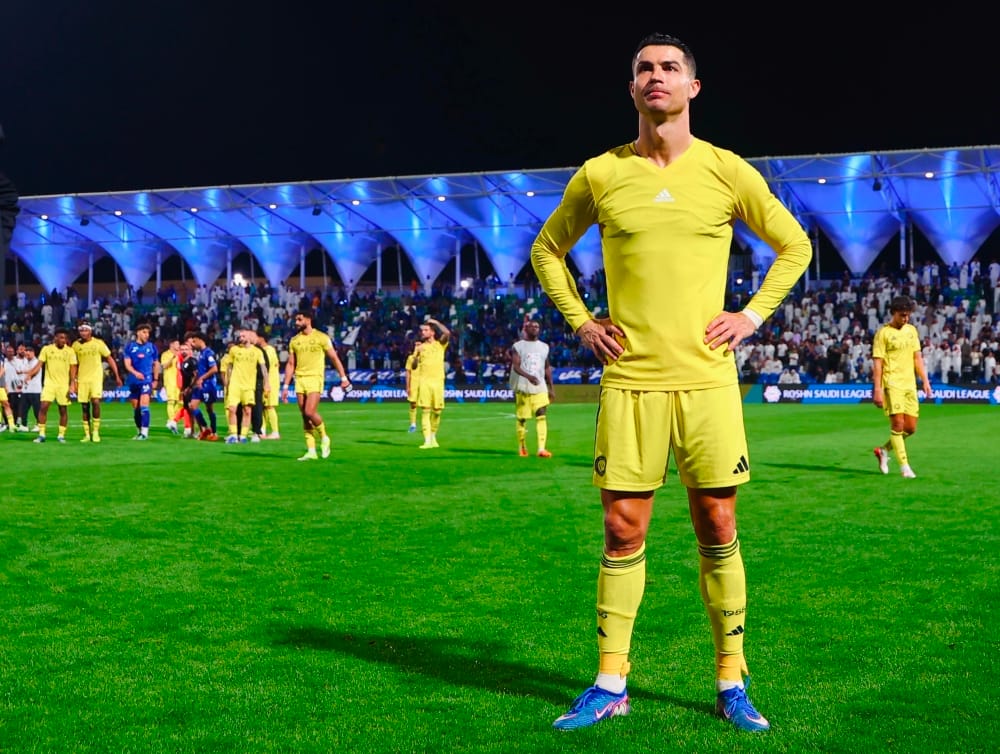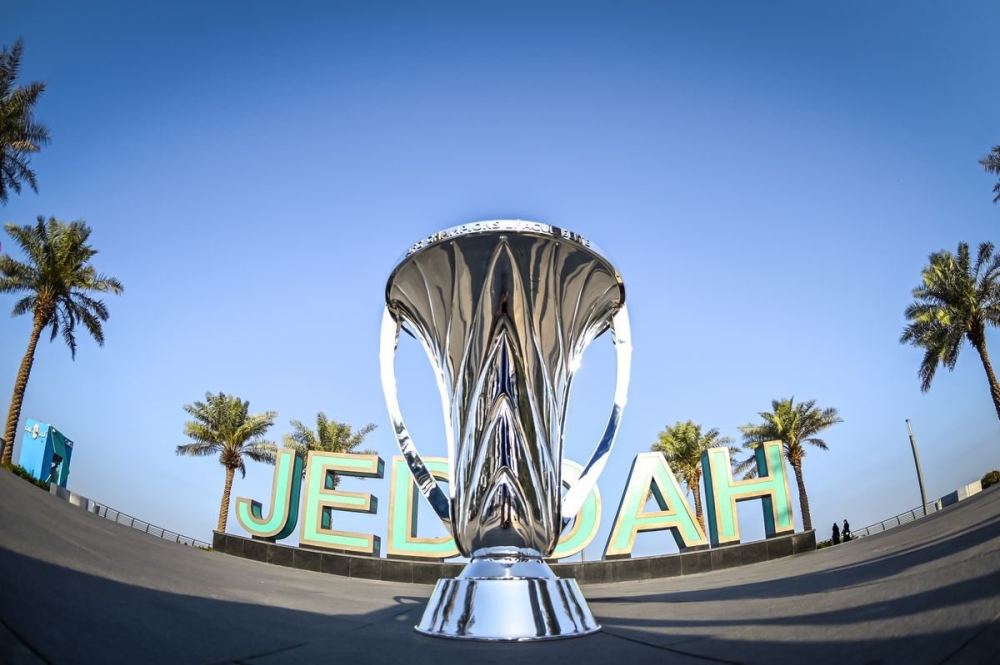
Millions of football fans across Asia are turning their attention to Jeddah, Saudi Arabia, as it prepares to host the exceptional AFC Champions League 2026 knockout . This anticipation follows the completion of the draw for the knockout rounds, held on Wednesday at the Asian Football Confederation headquarters in Kuala Lumpur, Malaysia, which produced some high-profile matchups promising intense competition and excitement.
A new era in the history of Asian football
This tournament is the fruit of the Asian Football Confederation's efforts to restructure its club competitions, aiming to raise the level of competitiveness and increase commercial and fan revenue. Historically, Asia's premier club competition has undergone several developments since its inception, but the shift to the "Elite" format represents the most significant transformation in its history. This new system brings together the continent's elite clubs, guaranteeing high-quality matches that rival the technical standards of the world's major tournaments. This evolution reflects the growth of Asian football and its ability to attract substantial investment, and presents clubs with a historic challenge to prove their worth in this revamped format.
The system of gatherings and decisive confrontations in Jeddah
The final rounds will be held in a centralized format in Saudi Arabia, specifically from April 16 to 25. This edition is characterized by a unique experience with a fast-paced format, as all matches will be played as single-elimination games, which opens the door wide to footballing surprises and increases the intensity of the competition for the most prestigious continental title.
Fiery clashes and the path of the clubs in the 2026 AFC Champions League
The draw produced some highly anticipated clashes, most notably the quarter-final match between the winner of the Al-Hilal (Saudi Arabia) vs. Al-Sadd (Qatar) tie and Japan's Vissel Kobe. Al-Hilal enters this stage as the top seed in the West Zone, while Al-Sadd finished eighth, and the Japanese team finished second in the East Zone.
In another equally compelling match, the winner of the Al-Ahli Saudi vs. Al-Duhail Qatar encounter faces a tough test against Johor Darul Ta'zim of Malaysia. Al-Ahli, who delivered impressive performances, finished the league stage as runners-up, while Al-Duhail came in seventh.
The dream scenario looms: If Al-Hilal and Al-Ahli qualify, football fans will be treated to a fiery Saudi derby in the semi-finals, to determine the first qualifiers for the final showdown.
East-West clashes fuel competition
On the other side of the draw, Japan's Yokohama F. Marinos, the East Zone leaders, will face the winner of the match between Saudi Arabia's Al-Ittihad and the UAE's Al-Wahda. Thailand's Buriram United will meet the winner of the match between Iran's Tractor and the UAE's Shabab Al-Ahli in the fourth quarterfinal, highlighting the diversity and strength of the participating footballing styles.
The impact of hosting the event and unprecedented financial prizes
The tournament's significance extends beyond the purely sporting aspect, encompassing broad economic and regional dimensions. Jeddah's hosting of this event reinforces Saudi Arabia's position as a global sports capital and aligns with the Kingdom's Vision 2030 to host major sporting events. Regionally and internationally, these finals highlight the Kingdom's advanced infrastructure and world-class stadiums, such as King Abdullah Sports City Stadium (The Shining Jewel), which will host the final on April 25.
In addition to the footballing glory, the current edition offers huge and historic financial rewards; the crowned champion will receive a financial prize of US$12 million, one of the largest prizes in the history of Asian club championships, which will positively impact the development and financial sustainability of the winning clubs.