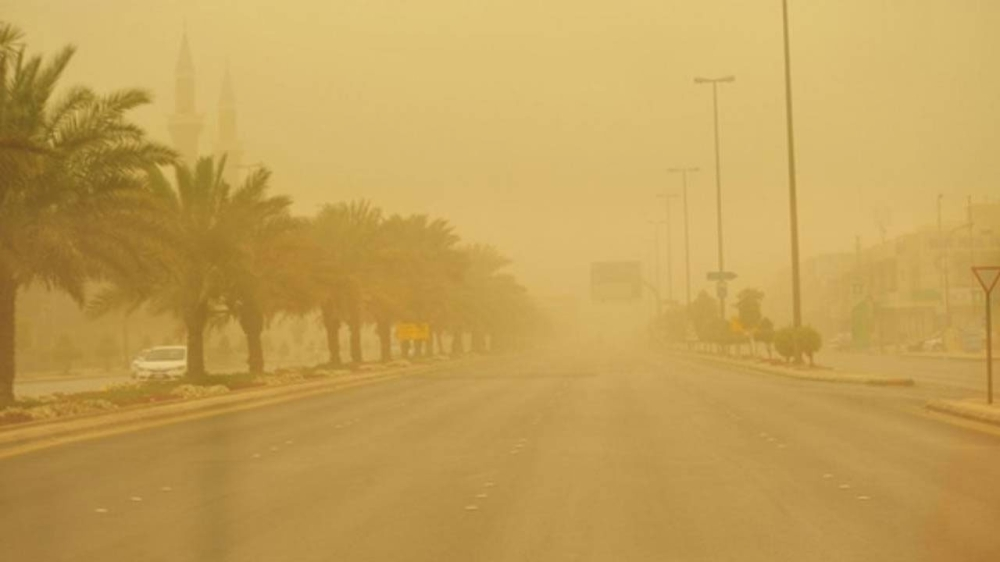
The National Center for Meteorology issued an important weather warning, alerting residents to expected winds and dust storms in the Northern Borders region on Saturday morning. This weather condition includes the city of Arar and the governorates of Tarif, Rafha, and Al-Uwaiqilah, urging citizens and residents in these areas to take precautions.
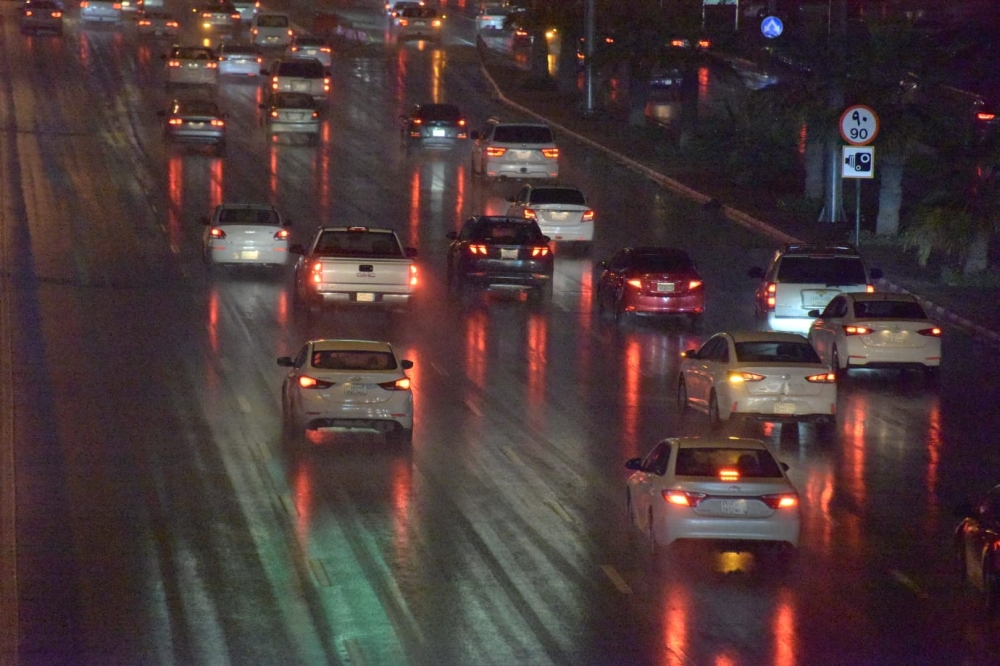
The center explained in its official statement that this weather condition will begin, God willing, at 9:00 AM on Saturday and is expected to continue until 6:00 PM that same day. The report indicated that these weather conditions will lead to a significant decrease in horizontal visibility, with visibility expected to range between one and three kilometers. This necessitates extreme caution, especially for drivers on open highways, to avoid any potential traffic accidents.
Geographical and climatic characteristics and their impact on winds and dust in the northern border region
The Kingdom of Saudi Arabia is characterized by significant geographical and climatic diversity, with the northern regions being among the most susceptible to rapid weather fluctuations, particularly during seasonal transitions. The region's open, desert landscape makes it a conduit for various air masses, explaining the frequent occurrence of dust storms in the Northern Borders region. Historically, these areas have experienced notable surface wind activity that stirs up dust and sand, a common feature of the Arabian Peninsula's climate. This is due to the influence of dynamic low-pressure systems that cross the region, frequently causing sandstorms and reducing horizontal visibility.
Expected repercussions and traffic and health safety guidelines
These weather changes have direct impacts on the daily lives of residents. Locally, the dust storms significantly affect traffic and land transportation, reducing visibility to critical levels that necessitate the activation of traffic safety protocols by the relevant authorities to prevent accidents. The impact also extends to health, as airborne dust is a major respiratory irritant, requiring asthma and allergy sufferers to take necessary precautions, such as staying indoors, keeping windows tightly closed, and wearing face masks when going out.
At the regional level, early warnings issued by the National Center for Meteorology play a vital role in minimizing material and human losses. Government agencies, including the Civil Defense and the Ministry of Health, work in continuous coordination to address such emergencies. The National Center for Meteorology relies on a sophisticated network of radars and satellites to monitor these phenomena, providing accurate and real-time readings of wind patterns and dust density, thus enabling the timely issuance of alerts. This rapid response and public awareness in following updated weather forecasts reflect the advanced state of crisis and natural disaster management in the Kingdom, ensuring the continuity of economic and daily life with minimal disruption.