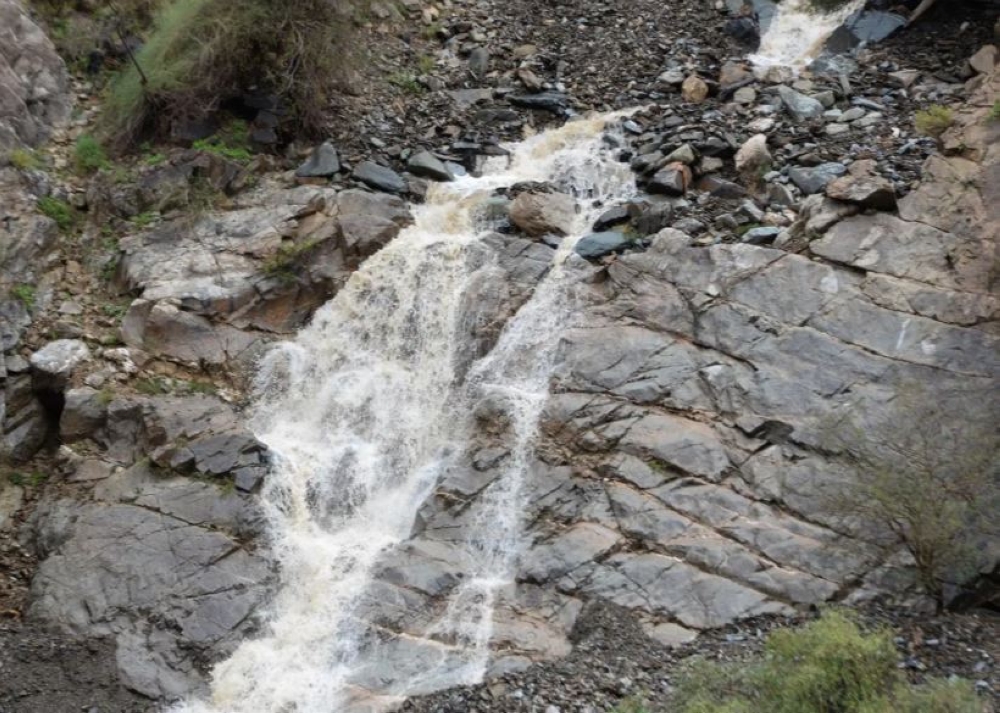
Saudi Arabia has recently experienced significant weather fluctuations, with the Asir region leading the way. Abha recorded the highest rainfall in the Kingdom, reaching 36.0 mm in Wadi Dhahab, Abha Governorate. This figure is part of a comprehensive report covering eight Saudi regions, reflecting the intense weather activity typical of this time of year.
Rainfall details in Abha and Asir regions
In addition to Wadi Dhahab, hydrological and climatological monitoring stations recorded varying rainfall amounts in the Asir region. Al-Shifa neighborhood in Sarat Abidah recorded 35.6 mm, while Abha Airport received 34.5 mm. Al-Harjah recorded 33.8 mm, and Al-Khalaf in Sarat Abidah received 27.2 mm. Al-Tamam in Abha recorded 22.0 mm, while both Tabab in Abha and Al-Asran in Sarat Abidah received 16.8 mm, and Tamniyah in Abha received 15.4 mm. These figures confirm the heavy rainfall that fell on the southwestern highlands of the Kingdom.
The climatic and historical context of rainfall in the Kingdom
The Kingdom of Saudi Arabia is characterized by a dry desert climate in most of its regions, but the southwestern highlands, particularly the Asir region, enjoy an exceptional climate. Historically, these areas have received the most rainfall due to their mountainous terrain, which contributes to the formation of cumulonimbus clouds, especially during seasonal transitions and the influence of monsoon winds. The Ministry of Environment, Water and Agriculture continuously monitors these climatic changes through a wide network of monitoring stations, providing accurate data that helps in the efficient management of water resources.
Monitoring rainfall amounts in other regions of the Kingdom
According to the daily report from the Ministry of Environment, Water and Agriculture, which included data from 74 hydrological and climatological monitoring stations over the past 24 hours, rainfall extended to several other areas. In the Tabuk region, Al-Zaytah recorded 14.6 mm, Al-Bada'a 10.2 mm, Al-Aqan 8.3 mm, and Tadco Agricultural Company 5.6 mm. In the Najran region, Al-Khalidiyah in Baydah recorded 10.7 mm, and Sharurah Airport 3.0 mm. In Jazan, Al-Qura'ah in Al-Ardah recorded 6.4 mm, and Al-Ghazi in Al-Aydabi 3.0 mm. Rain also fell in the Al-Jawf region, with 4.5 mm recorded in Al-Qurayyat, the Northern Borders region with 3.8 mm at Tarif Airport, the Riyadh region with 2.9 mm in Al-Badi' Al-Shamali in Al-Aflaj, and the Al-Baha region with 1.2 mm in Al-Bahir.
The strategic importance and expected impact of the rainfall situation
This abundant rainfall is of paramount importance on several levels. Locally, it contributes to replenishing groundwater reserves and supports the agricultural sector, which relies heavily on rainwater and flash floods to irrigate the terraced fields for which the Asir and Al-Baha regions are renowned. This weather also creates a beautiful atmosphere that revitalizes domestic tourism, as families and visitors flock to enjoy the lush greenery, flowing valleys, and waterfalls. Regionally, this data reflects the significant climate changes occurring in the Arabian Peninsula, necessitating enhanced cooperation in meteorology and flood management. These precise statistics also underscore the success of Saudi Arabia's infrastructure in absorbing and channeling this rainfall in a way that serves the environment and promotes sustainable development.