The Hasawi bisht: a cultural symbol and historical document
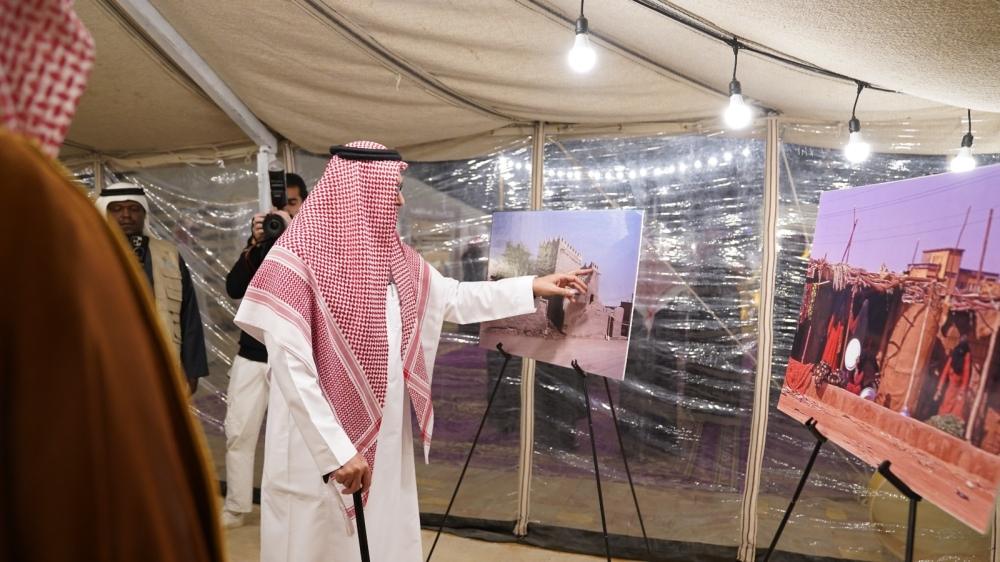
The esteemed Saudi artist Abdulmohsen Al-Nimr affirmed that the “Al-Ahsa bisht” transcends being merely a luxurious traditional garment, representing a living “historical document” that narrates chapters of the identity and history of the Al-Ahsa region on social, economic, and artistic levels. Al-Nimr’s remarks to Al-Youm newspaper came on the sidelines of his visit to the third edition of the “Al-Ahsa Bisht Festival,” organized by the Saudi Heritage Commission at the historic Ibrahim Palace. He described the event as a world-class cultural phenomenon that successfully documents the details of the lives of our ancestors and the indelible marks of their creativity.
Historical background: From Al-Ahsa to the world
The bisht holds a prestigious place in Saudi and Gulf heritage. It is not merely a men's cloak, but a symbol of authenticity, prestige, and high status, historically associated with kings, princes, and prominent figures in society. For centuries, Al-Ahsa has been the foremost center for the handcrafted production of the finest bishts, where generations of skilled artisans have passed down the secrets of this intricate craft, which relies on the highest quality wool and gold and silver threads (zari). The bisht recently gained international renown when football legend Lionel Messi wore it during his 2022 World Cup victory, highlighting this authentic Arab cultural heritage and its symbolic significance on a global scale.
Drama as a tool for documenting heritage: The success of “Threads of the Masters”
Al-Nimr explained that his famous series, "Khuyut Al-Ma'azib" (Threads of the Masters), in which he portrayed the character "Abu Issa," successfully documented an important aspect of this integrated life centered around the making of the bisht (a traditional men's cloak). However, he emphasized that this heritage remains a treasure trove, holding within it stories and secrets yet to be explored by drama. Regarding the secret to his mastery of the "Ma'azib" character, Al-Nimr attributed it to the skillful script by writer Hassan Al-Abdi, in addition to his personal store of memories, having lived in Al-Ahsa for over nine years. This allowed him to draw precise details for the character from real-life examples he encountered in his childhood. He added that he didn't stop there, but also held extensive meetings with master craftsmen, such as "Abu Ali Hussein Al-Shawaf," to delve into the intricacies of the profession, which lent his performance a high degree of authenticity.
The social truth was revealed in the series “Al-Marsa”
In another context, Al-Nimr revealed that his experience in the series “Al-Marsa” holds special significance for him, as the work represents a bold artistic endeavor that seeks to “uncover” sensitive and unspoken social issues. He emphasized that, in his view, the ultimate goal of art is to delve into the depths of society and address its hidden pains. Reaching these thorny areas is what gives drama its true value and lasting impact, reflecting a maturity in Saudi drama and its ability to tackle contemporary topics with artistic boldness.
“Abu Issa’s Bisht”: An icon and an emotional moment
Al-Nimr's visit to the festival included a touching moment when craftsman and expert Habib Bu Khader surprised him by presenting him with the original bisht (traditional men's cloak) he wore in the television series "Khuyut Al-Ma'azib" (Threads of the Masters). This rare piece, over 100 years old and hand-woven from goat's wool, was worn by Al-Nimr on the festival stage amidst a large audience. Bu Khader noted that the bisht has become an icon of the festival, with visitors and tourists constantly asking about it and wanting to take photos with it, demonstrating the powerful impact of drama in reviving tangible heritage and connecting it with new generations. At the end of his visit, Al-Nimr praised the Heritage Commission's efforts in organizing the festival and the broad international participation, which showcased the beauty of this cultural heritage in a manner befitting the Kingdom's cultural standing.