In a striking development regarding the tragic situation in western Sudan, the United Nations Humanitarian Coordinator, Denise Brown, revealed horrific details following her visit to El Fasher, describing the situation of civilians there as a real "shock," amid degrading living conditions that lack the most basic necessities for human life.
Scenes from the heart of the "crime scene"
A mission from the United Nations Office for the Coordination of Humanitarian Affairs (OCHA) was able to enter El Fasher last Friday, marking the first such entry since the Rapid Support Forces (RSF) seized control of the city two months ago. This visit followed what Brown described as "arduous" and complex negotiations to ensure safe access.
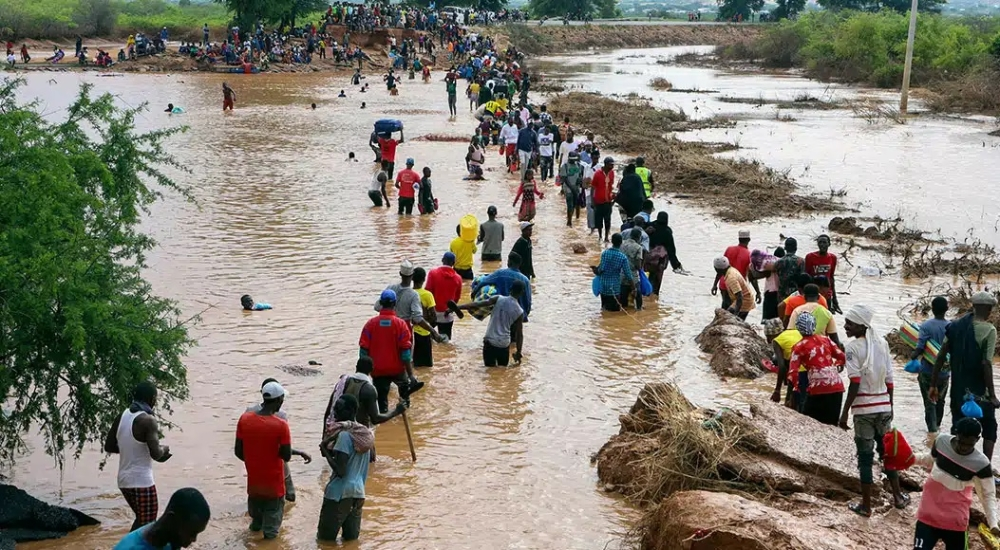
Speaking to AFP, the UN official painted a grim picture of the situation, confirming that large parts of the city had been completely destroyed, turning El Fasher, once a bustling metropolis of nearly one million people, into a "ghost town" and a "crime scene." She noted that trapped civilians were living in abandoned buildings or under plastic sheeting, without clean water or sanitation, in a scene that epitomized the depths of human vulnerability.
Strategic context and the fall of the last stronghold
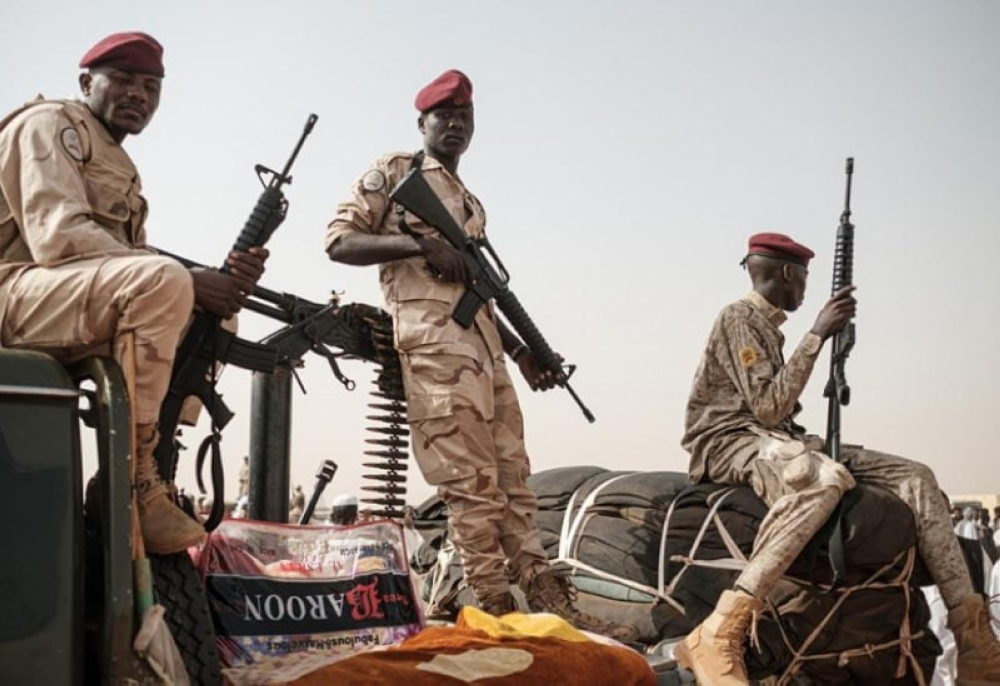
This visit is significant because of the strategic importance of El Fasher, the capital of North Darfur state, which was the last stronghold of the Sudanese army in the vast Darfur region before its fall at the end of last October. The Rapid Support Forces (RSF) seized control of the city after an 18-month siege marked by fierce fighting that shifted the balance of power in the region, with the RSF now controlling nearly a third of Sudan's territory.
The conflict in Sudan dates back to mid-April 2023, when fighting broke out between the Sudanese army and the Rapid Support Forces, plunging the country into a spiral of violence that has not stopped until now, leaving thousands dead and millions displaced and refugees.
Humanitarian repercussions and regional concerns
The tragedy in El Fasher is not limited to the destruction of infrastructure; it extends to a worsening humanitarian catastrophe that threatens the stability of the entire region. The recent attack and prolonged siege have displaced more than 107,000 people, according to UN estimates, amid persistent reports of grave human rights abuses including killings, sexual violence, and arbitrary arrests.
Observers consider the situation in El Fasher to be a "hotbed of human suffering," where food insecurity and disease outbreaks threaten the lives of thousands, especially given the difficulty of delivering aid. These developments are raising concerns within the international community and among neighboring countries about new waves of refugees that could strain borders, particularly with neighboring Chad. This necessitates urgent international intervention to salvage what can be saved and halt the deteriorating humanitarian situation in the stricken region.