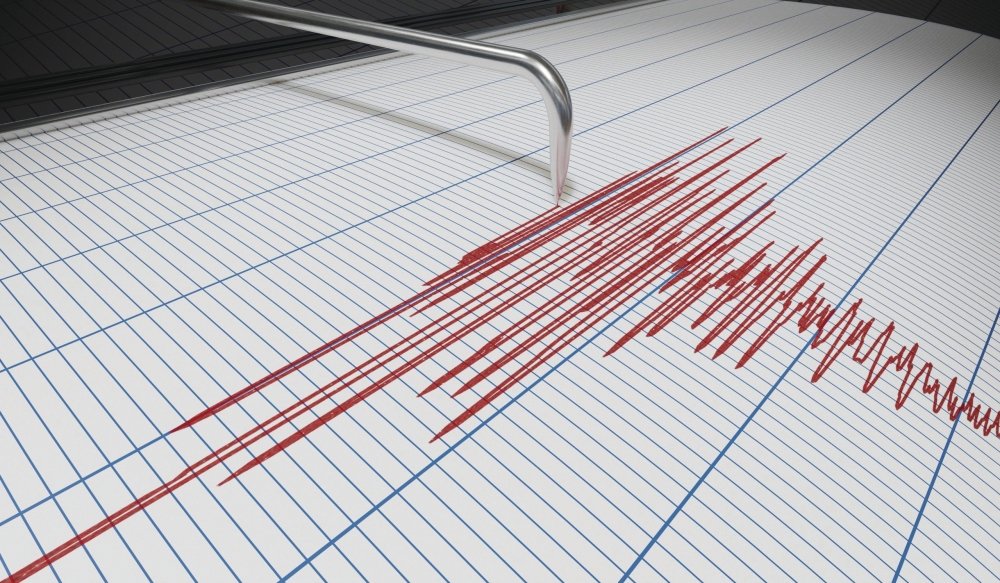
ضرب زلزال قوي بلغت قوته 6 درجات على مقياس ريختر، اليوم، منطقة جزر ساندويتش الجنوبية النائية في جنوب المحيط الأطلسي. ووفقًا لهيئة المسح الجيولوجي الأمريكية (USGS)، وقع الزلزال على عمق متوسط يبلغ حوالي 74.7 كيلومترًا تحت قاع المحيط، وهو ما يفسر عدم صدور أي تحذيرات من موجات تسونامي مدمرة. ونظرًا لطبيعة المنطقة غير المأهولة بالسكان، لم ترد أي تقارير فورية عن وقوع خسائر بشرية أو أضرار مادية.
خلفية جيولوجية: منطقة نشاط زلزالي وبركاني مستمر
تُعد جزر ساندويتش الجنوبية، وهي أرخبيل بركاني تابع لإقليم “جورجيا الجنوبية وجزر ساندويتش الجنوبية” الخاضع للسيادة البريطانية، واحدة من أكثر المناطق نشاطًا زلزاليًا على وجه الأرض. يرجع هذا النشاط المستمر إلى موقعها الجيولوجي الفريد على طول “قوس سكوتيا”، وهو قوس من الجزر البركانية يقع عند حافة صفيحة تكتونية صغيرة تُعرف باسم “صفيحة ساندويتش”.
تقع هذه الصفيحة الصغيرة بين صفيحتين تكتونيتين هائلتين، هما صفيحة أمريكا الجنوبية والصفيحة القطبية الجنوبية (الأنتركتية). وتنزلق صفيحة أمريكا الجنوبية ببطء أسفل صفيحة ساندويتش في عملية جيولوجية تُسمى “الاندساس”. هذه العملية هي المسؤولة عن تشكيل “خندق ساندويتش الجنوبي”، وهو أحد أعمق الخنادق المحيطية في العالم، حيث يصل عمقه إلى أكثر من 8 كيلومترات، كما أنها السبب المباشر للزلازل القوية والانفجارات البركانية المتكررة في المنطقة.
الأهمية العلمية والتأثير المتوقع للزلزال
على الرغم من أن هذا الزلزال لم يشكل تهديدًا مباشرًا للحياة البشرية، إلا أن له أهمية علمية كبيرة. تعتبر الزلازل التي تحدث في هذه المنطقة بمثابة مختبر طبيعي فريد من نوعه لعلماء الزلازل والجيولوجيا. فهي توفر بيانات قيمة تساعدهم على فهم العمليات المعقدة التي تحكم حركة الصفائح التكتونية وظواهر الاندساس، وهي نفس العمليات التي تسبب الزلازل المدمرة في مناطق مأهولة بالسكان حول العالم، مثل اليابان وتشيلي وإندونيسيا.
من الناحية الإقليمية، فإن الخطر الأكبر من الزلازل القوية في هذه المنطقة يكمن في احتمالية توليد موجات تسونامي. ومع ذلك، فإن عمق الزلزال ونوع الحركة على الصدع يلعبان دورًا حاسمًا في تحديد هذا الخطر. في هذه الحالة، ساهم العمق المتوسط للزلزال في تقليل احتمالية حدوث إزاحة كبيرة للمياه، وبالتالي لم يتم إصدار أي تحذيرات. وتظل المراكز الدولية لمراقبة الزلازل والتسونامي في حالة تأهب دائم لرصد أي نشاط غير اعتيادي في هذه البؤرة الزلزالية النشطة لضمان سلامة الممرات الملاحية والمناطق الساحلية البعيدة التي قد تتأثر نظريًا.