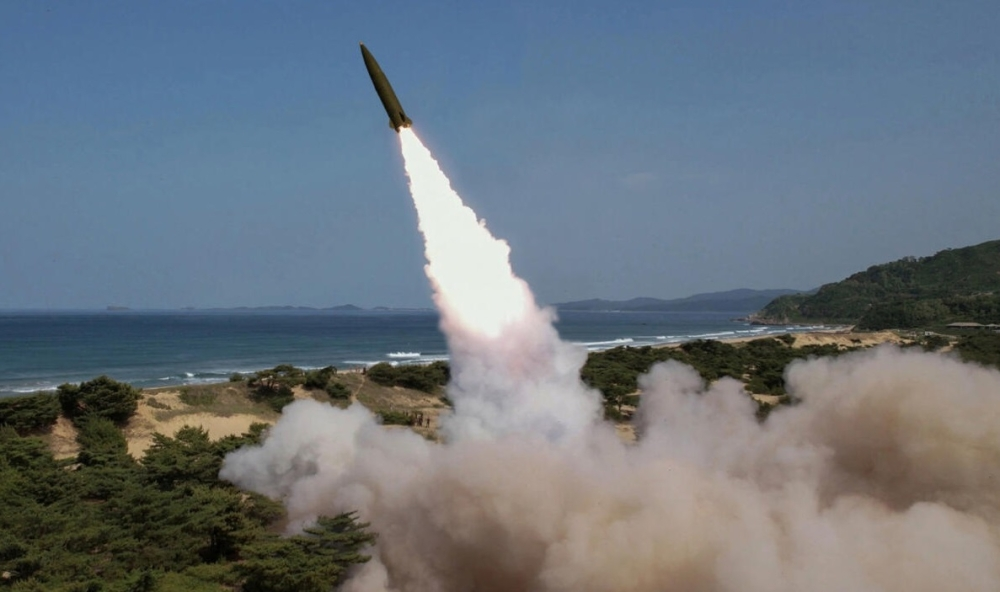
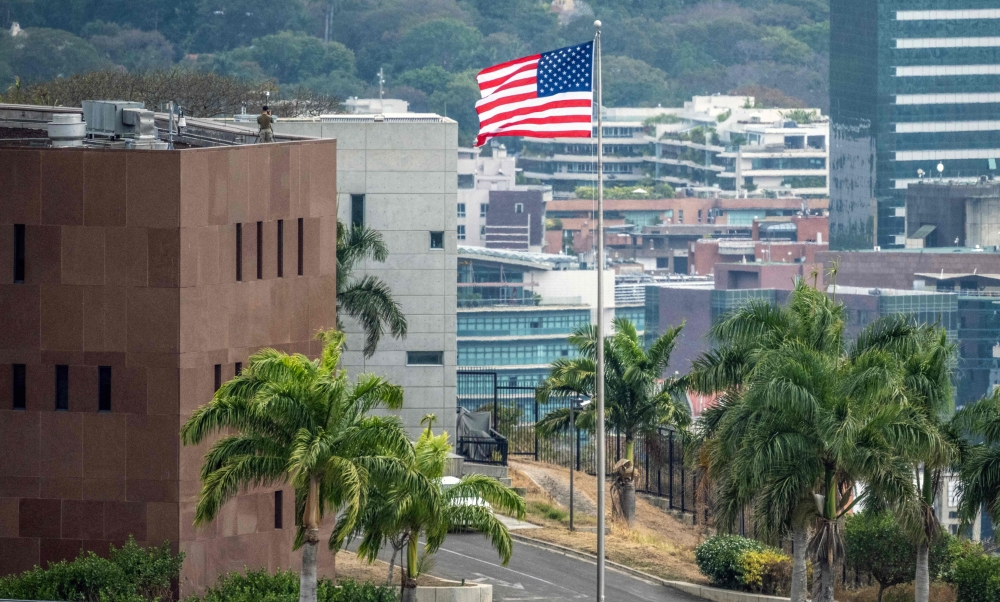
Six countries—Brazil, Chile, Colombia, Mexico, Uruguay, and Spain—issued a unified diplomatic statement expressing their firm rejection of and deep concern regarding the unilateral military actions and operations associated with US policy toward Venezuela . This statement underscores the necessity of adhering to the principles of international law and resolving disputes through diplomatic channels, rejecting the use of force and foreign intervention.
Details of the joint statement and regional concerns
In their joint statement issued today, the six countries declared that the US military operation in Venezuela constitutes a “very dangerous precedent” that threatens regional peace and stability in Latin America. The warning extended beyond security concerns to include economic and sovereign implications, with the countries expressing grave apprehension about any attempts to “externally control or seize strategic natural resources” in Venezuela, a clear reference to the country’s vast oil reserves.
The complex context of the Venezuelan crisis
This international rejection comes at a time when Venezuela is experiencing one of the most complex political and economic crises in its modern history. For years, the country has suffered from hyperinflation, severe shortages of basic goods and medicines, and a deep political divide between the government and the opposition. The United States has consistently intensified its pressure through successive rounds of economic sanctions and, at times, threats of military action under the pretext of restoring democracy—a move the signatory countries consider an escalation that could plunge the entire region into chaos and instability.
The importance of the international stance and its geopolitical impact
This statement is particularly significant given the diversity and influence of the signatory states. Spain's presence lends a European dimension to the support for a peaceful solution and aligns the Latin American position with the broader European stance, which favors diplomacy. Conversely, the consensus among key Latin American nations such as Brazil, Mexico, and Colombia sends a strong and clear message to Washington that the region's countries no longer accept the policies of direct military intervention that prevailed in previous decades. This stance reflects a deep-seated historical apprehension among Latin American countries regarding foreign intervention policies and a strong desire to preserve the continent's sovereignty and independence in decision-making.
The economic dimension and the struggle for resources
This diplomatic move cannot be separated from the realities of geoeconomics; Venezuela the world's largest proven oil reserves. Therefore, the explicit reference in the statement to "strategic natural resources" reflects a genuine concern that military operations or political pressure might be a cover for economic ambitions aimed at controlling Venezuela's energy sector, potentially depriving the Venezuelan people of their resources and exacerbating poverty.
The countries concluded their statement by emphasizing that the only way out of the current crisis lies in internal political dialogue and peaceful means, rejecting any form of guardianship or external military intervention that could exacerbate the suffering of the Venezuelan people and threaten the collective security of the region.