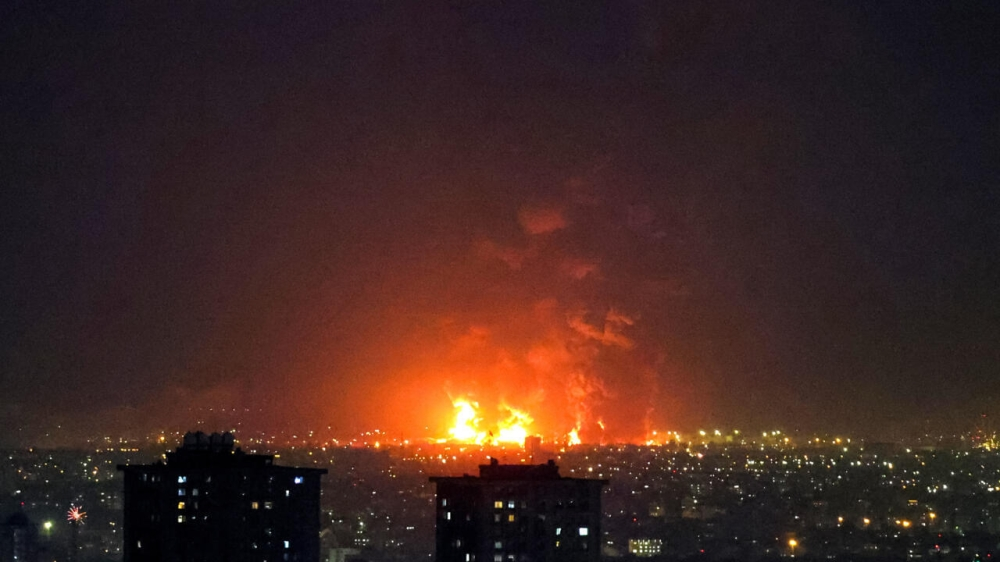
Southwest China experienced significant seismic activity today, raising concerns among residents and local authorities. earthquake the city of Chaotong in Yunnan province. This event is part of a series of tremors that the region experiences intermittently, requiring close monitoring by geological monitoring centers.
Details of the earthquake and its location
According to official data from the China Earthquake Administration, the epicenter was located in Qiaojia County. The tremor occurred at a depth of 10 kilometers, which geologically classifies as a "shallow" earthquake. Shallow earthquakes are more noticeable at the surface than deep earthquakes, which explains why residents of neighboring counties felt relatively strong and violent tremors.
As of the time of writing this report, there are no confirmed reports of casualties or major building collapses, but emergency teams are still conducting surveys and assessments of the situation in areas near the epicenter to ensure the safety of infrastructure and residents.
Seismic context in China and the frequency of tremors
This earthquake is not an isolated event in China. Just a week earlier, monitoring stations recorded another earthquake measuring 5.2 on the Richter scale, which struck Tashkurgan County in the Kashgar region of Xinjiang Uyghur Autonomous Region in the northwest of the country. That quake prompted the China Earthquake Administration to activate a Level 4 emergency response, directing the China Earthquake Networks Center and local emergency management departments to intensify monitoring and immediate follow-up operations.
Why do earthquakes occur so frequently in these areas?
These events are of particular importance given the geological nature of Yunnan and Xinjiang provinces and the surrounding areas. These regions lie on the edge of the Tibetan Plateau, a seismically active zone resulting from the ongoing collision between the Indian and Eurasian Plates. This constant tectonic pressure makes southwestern and northwestern China areas of high seismic activity, requiring Chinese authorities to develop early warning systems and disaster-resistant infrastructure.
Safety procedures and emergency response
The Chinese government places great importance on rapid response to natural disasters, particularly after lessons learned from previous earthquakes. Emergency protocols in such situations typically include activating central operations rooms, dispatching rapid response rescue teams, and enhancing seismic monitoring to detect any aftershocks that may follow the main earthquake. Residents in affected areas are always advised to stay away from damaged buildings and follow public safety instructions issued by the relevant authorities.