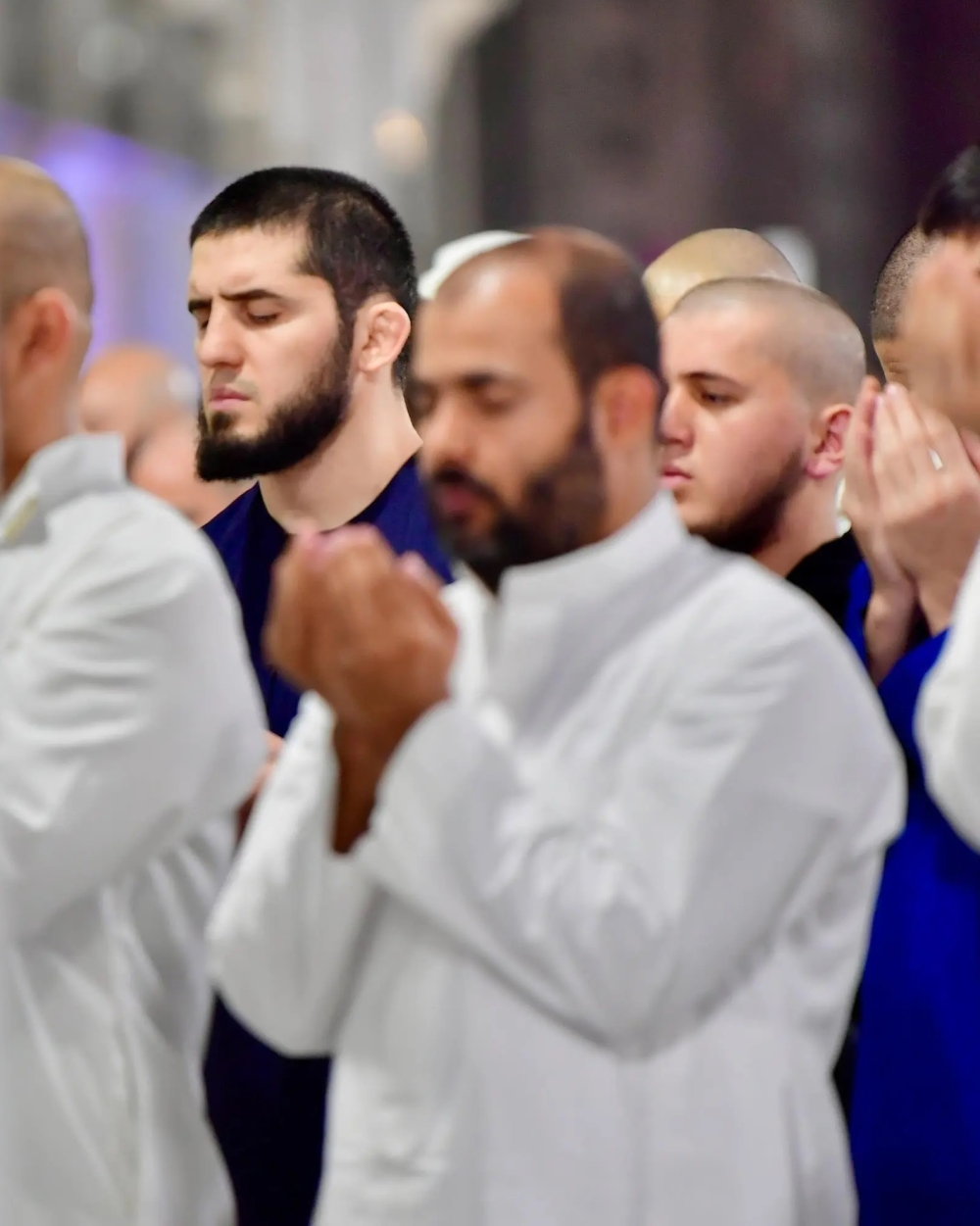
Pilgrims to the Holy Mosque in Mecca experienced an atmosphere of profound faith and devotion during the observance of the 27th night of Ramadan . Large crowds of worshippers and pilgrims flocked to the mosque from the early hours of the morning. This massive influx was driven by the hope of seeking Laylat al-Qadr, the Night of Power, which is better than a thousand months, and to perform the Isha and Taraweeh prayers in the holiest place on earth. These crowds created a unique tableau of faith, embodying reverence and tranquility, amidst a comprehensive system of services provided by the relevant authorities to ensure the comfort of the pilgrims.
The historical and religious roots of reviving the 27th night of Ramadan in the Grand Mosque
The 27th night of Ramadan at the Grand Mosque in Mecca holds immense significance, rooted in religious texts and rich Islamic history. Since the dawn of Islam, Muslims have been keen to exert themselves in worship during the last ten nights of Ramadan, particularly the odd-numbered nights, following the tradition of the Prophet Muhammad (peace be upon him). The 27th night is considered by scholars and Muslims worldwide to be Laylat al-Qadr (the Night of Decree), the night on which the Quran was revealed. This profound historical and spiritual connection makes being in Mecca on this night a dream and aspiration for every Muslim, explaining the millions who flock to the Grand Mosque annually to observe this great ritual in an atmosphere of tranquility.
The diversity of worship and devotional practices within the precincts of the Kaaba
Images and live footage showed the courtyards and halls of the Grand Mosque, the circumambulation area, and the levels of the Sa'i area filled with worshippers standing in tightly packed rows, embodying the unity of the Muslim Ummah across its diverse ethnicities and languages. The scenes of worship in this sacred place were varied: some reciting the Holy Quran with contemplation and reverence, others standing in prayer, hoping for God's mercy and fearing His punishment, and still others raising their hands in supplication, tears streaming down their faces, yearning for salvation from Hellfire and forgiveness. Meanwhile, pilgrims continued performing the rituals of circumambulating the Kaaba and performing the Sa'i between Safa and Marwa with complete ease, thanks to the meticulous organization and effective crowd management that ensured everyone's safety.
The local and international impact of commemorating this blessed night
The impact of commemorating this night extends far beyond the individual spiritual realm, encompassing broad local, regional, and international dimensions. Locally, the successful management of these millions of pilgrims reflects the efficiency of Saudi Arabia's infrastructure and the ability of its governmental, security, and health agencies to provide exceptional services, reinforcing the Kingdom's position as the custodian of the Two Holy Mosques. Regionally and internationally, the live television broadcast of these rituals transmits messages of peace and reassurance to millions of Muslims worldwide, strengthening the spiritual bonds within the Muslim community. Furthermore, the influx of visitors from around the globe contributes to cultural exchange and human solidarity, underscoring the universality of the Islamic message that unites hearts on a single level and at a single time.