Al-Musnad explained that the Umm al-Qura calendar shows that the month of Ramadan this year will be thirty days long, which makes the date of Eid known in advance with a high degree of certainty, given that the calendar is based on accurate astronomical calculations related to the movement of the moon and the sun.
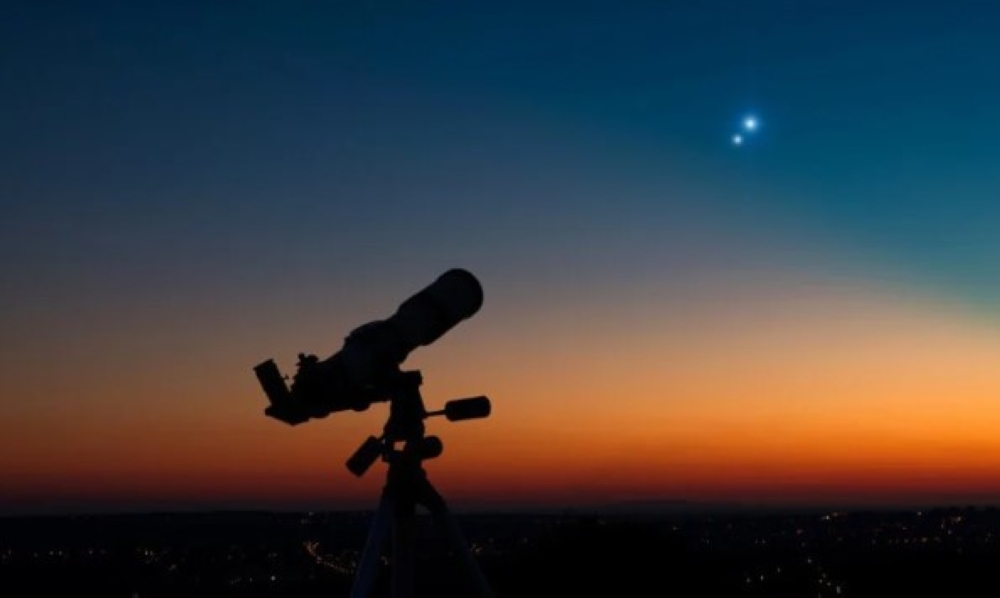
He explained that the usual sighting day will be on Wednesday evening, the 29th of Ramadan, corresponding to March 18th, but the astronomical conditions on that day do not allow for the sighting of the crescent, as the moon will set about 30 minutes before sunset in all regions of the Kingdom, which makes sighting the crescent impossible.
He added that the moment of conjunction, “ the birth of the new crescent ,” will not occur until dawn on Thursday, the 30th of Ramadan, corresponding to March 19, at 4:26 AM, that is, after sunset on the day of sighting, which astronomically means that it is impossible for the crescent to appear that night.
Al-Musnad pointed out that based on these astronomical data, the month of Ramadan will complete thirty days, so Friday, March 20, will be the first day of Eid al-Fitr.
Al-Musnad concluded by emphasizing that the beginning of the Hijri months in the Kingdom is determined according to the approved Sharia sighting, with the benefit of supporting astronomical data, and God Almighty knows best.