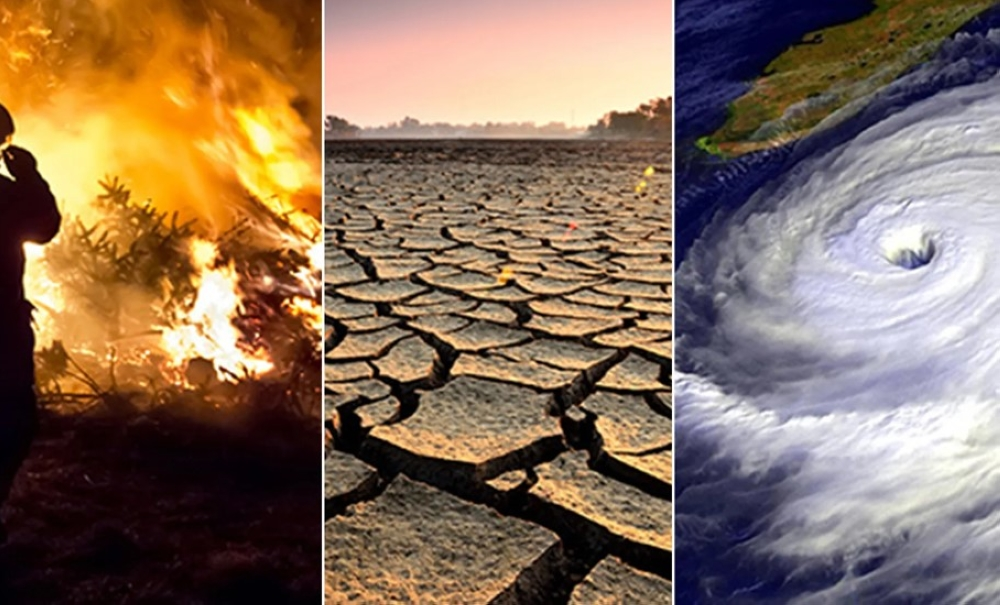
Over the past few years, global warming a significant challenge to humanity and a direct threat to the health of the Earth's population. This is due to rising temperatures, melting ice caps, rising sea levels, altered weather patterns, damage to ecosystems, and an increase in disease.
A recent scientific study conducted by researchers from Nanjing University and the Institute of Atmospheric Physics of the Chinese Academy of Sciences concluded that the frequency and intensity of extreme temperature fluctuations are increasing significantly, becoming more frequent and extreme in low and mid-latitude regions. The study attributed this primarily to greenhouse gas emissions resulting from human activities.
Climate projections indicate that the frequency of fluctuations by 17% and their overall intensity by 20% by 2100, impacting regions where more than 80% of the world's population lives.
Mortality data from China and the United States reveals a strong correlation between daily temperature fluctuations and the risk of death, particularly from cardiovascular and respiratory diseases.
A recent scientific study conducted by researchers from Nanjing University and the Institute of Atmospheric Physics of the Chinese Academy of Sciences concluded that the frequency and intensity of extreme temperature fluctuations are increasing significantly, becoming more frequent and extreme in low and mid-latitude regions. The study attributed this primarily to greenhouse gas emissions resulting from human activities.
Climate projections indicate that the frequency of fluctuations by 17% and their overall intensity by 20% by 2100, impacting regions where more than 80% of the world's population lives.
Mortality data from China and the United States reveals a strong correlation between daily temperature fluctuations and the risk of death, particularly from cardiovascular and respiratory diseases.