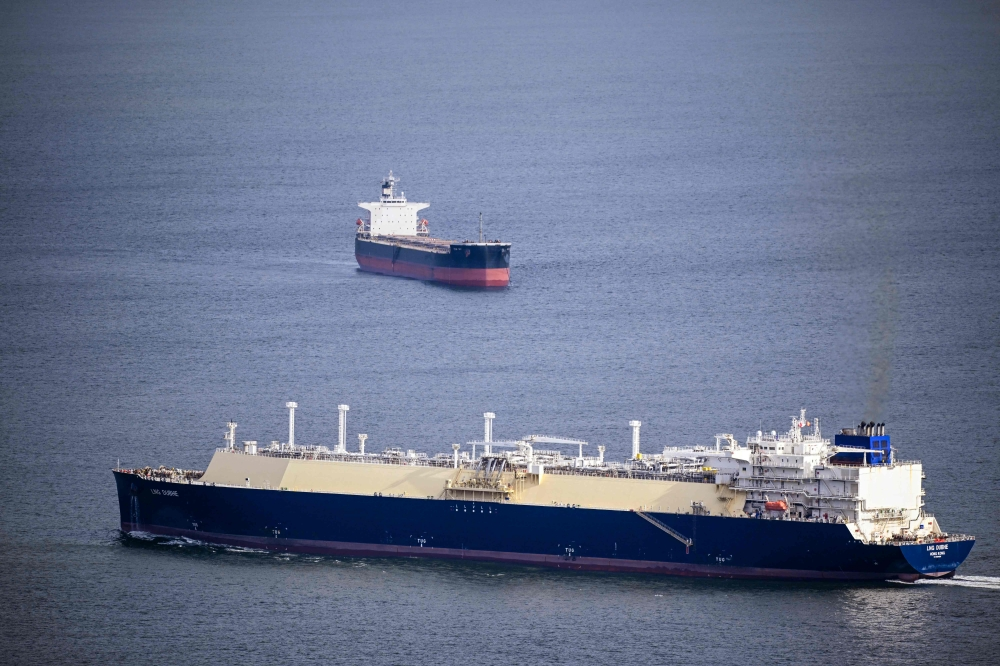
The report noted that ship traffic through the strait, which averaged 129 vessels between February 1 and 27, had almost completely stopped amid escalating military tensions, while the price of Brent crude exceeded $100 a barrel, exacerbating concerns about inflationary pressures in multiple sectors.
The agency stated that the strait handles approximately 25% of the world’s seaborne oil trade, equivalent to about 20 million barrels per day in 2024, including 14 million barrels of crude oil and condensates and 6 million barrels of petroleum products.
Based on average flows during the week preceding the military escalation that began on February 28, the share of global trade passing through the Strait of Hormuz amounted to 38% of crude oil , 29% of liquefied petroleum gas, 19% of liquefied natural gas, 19% of refined petroleum products, and 13% of chemicals, including fertilizers, making any prolonged disruption a direct threat to energy security and industrial supply chains worldwide.
For regional economies, this disruption threatens to delay imports of fuel, industrial raw materials and consumer goods, as well as increase shipping rates, ship fuel costs and marine insurance premiums.
The UNCTAD study indicated that the impact would extend far beyond the region through higher food and fertilizer prices, given the close link between natural gas and fertilizer markets.
The study warned that countries heavily reliant on fertilizer shipments from the Gulf, particularly low-income agricultural economies, could face reduced access to these supplies and higher import bills, increasing the risk of lower crop production and higher food inflation.
The report noted that similar supply chain shocks during the COVID-19 pandemic and the first phase of the Russian invasion of Ukraine spread rapidly across interconnected commodity markets, driving up food and transportation costs globally.
The report warned that this latest disruption comes at a very sensitive time for developing economies that are already suffering from high debt servicing costs, limited fiscal space, and a weak capacity to absorb new price shocks.
The UNCTAD study concluded that the extent of the economic fallout will depend on how long the disruption lasts and how widespread the tensions are, but stressed that fragile economies that rely on imported energy, fertilizers and basic foodstuffs are the most at risk.
The conference called for the protection of maritime transport, ports and civilian shipping lanes in line with international law to reduce risks that threaten global trade and development.